
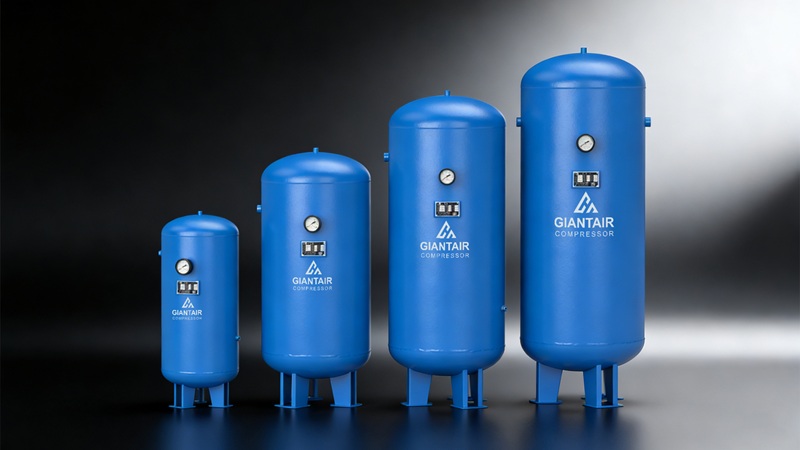
Introduction to Air Compressor Systems
A compressor tank, also known as an air tank or compressed air tank, is a critical component in any air compressor system. While many customers focus on the air compressor itself, the tank plays a key role in ensuring stable pressure, reliable performance, and efficient use of compressed air.
In a typical system, the air compression tank stores pressurized air and supplies it to tools and equipment when needed. Without a properly sized compressor air tank, systems can suffer from pressure fluctuations, excessive cycling, and reduced efficiency.
Choosing the right tank means understanding your system requirements, including pressure, capacity, and application needs. This guide will help you learn how to choose the best solution for your facility.
What Is a Compressor Air Tank?
A compressed air tank is a pressure vessel designed to hold compressed air for later use. It acts as a buffer between the air compressor and the end-use applications.
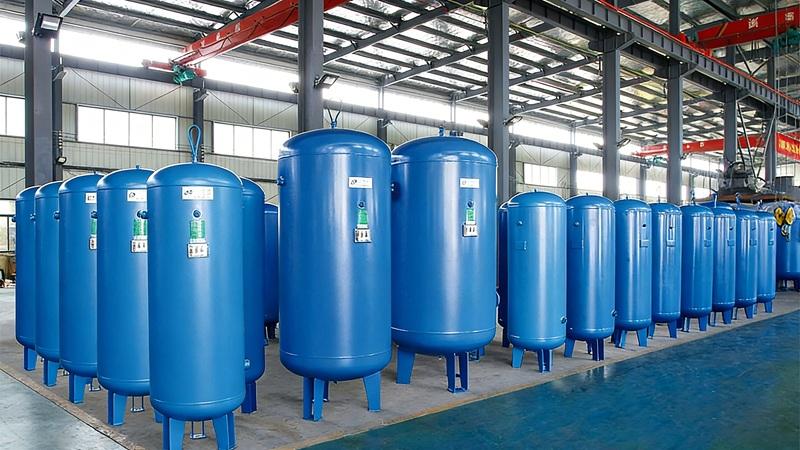
A compressor tank is a pressure-rated vessel used to store compressed air and stabilize system performance.
The main functions of an air tank include:
- Storing compressed air
- Stabilizing system pressure
- Supporting peak air demand
- Reducing compressor workload
In industrial and workshop environments, air tanks are essential for ensuring consistent and reliable air supply.
How a Compressed Air Tank Works
In a compressed air system, the air compressor generates compressed air and delivers it into the compressor tank, where it is stored under pressure. This stored air acts as a buffer between supply and demand, allowing the system to respond smoothly to changes in usage.
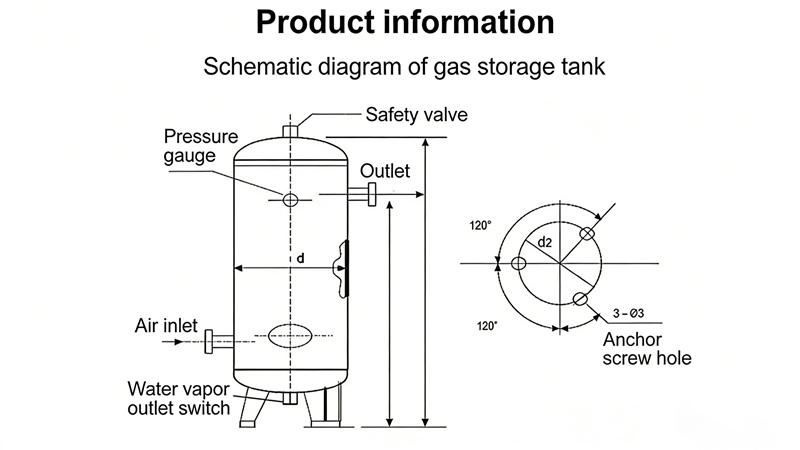
When demand increases, the tank releases compressed air instantly without requiring the compressor to ramp up output. This buffering effect reduces sudden pressure drops and ensures a more stable airflow across different applications.
A properly sized compressed air tank plays a key role in overall performance by:
- Maintaining stable pressure throughout the system
- Improving energy efficiency by reducing unnecessary compressor cycling
- Lowering mechanical load and extending compressor life
The relationship between pressure, airflow, and tank capacity determines how effectively the system operates. Without sufficient storage, the compressor must start and stop more frequently, leading to higher energy consumption and increased wear.
By adding the right air compression tank, you can significantly improve system stability, optimize performance, and reduce long-term operating costs.
Metal Construction and Durability
Most compressed air tanks are made from durable carbon steel, which is designed to withstand high-pressure conditions.
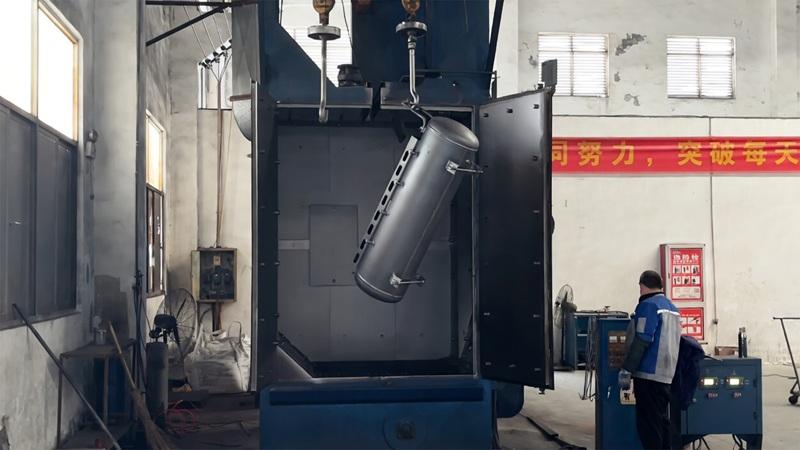
Modern tanks are designed to be durable, compact, and in some cases light enough for flexible installation.
Key features include:
- Strong and durable construction
- Pressure-rated design for safety
- Long service life when properly maintained
However, moisture inside the tank can cause internal corrosion over time. This is why proper maintenance and drainage are essential to ensure durability and long-term performance.
How to Size a Compressed Air Tank Correctly
Choosing the correct compressed air tank size is essential to ensure your system can meet demand without wasting energy or increasing cost.
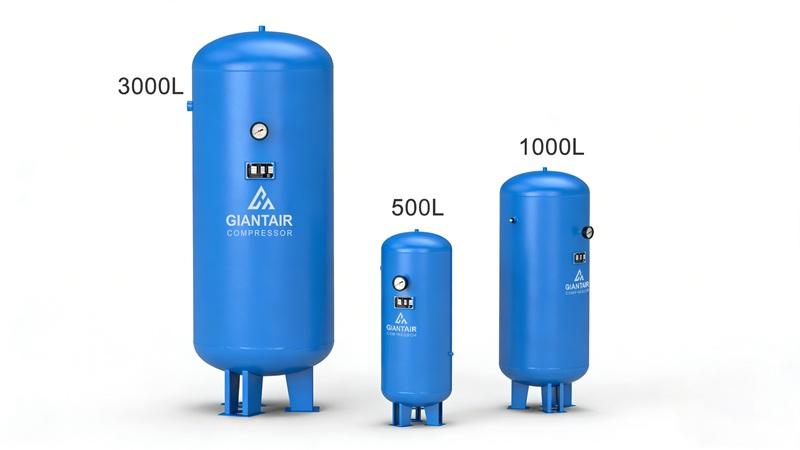
The tank capacity determines how much pressurized air the system can hold and deliver during peak usage. A larger air tank helps reduce pressure fluctuations and improves system performance,and allows compressed air tanks to store more air and meet higher demand in industrial applications.
| Tank Capacity | Application | Recommended Use |
|---|---|---|
| Small (50–100L) | Workshop | Light tools |
| Medium (100–300L) | Manufacturing | Multiple machines |
| Large (300L+) | Industrial | High demand systems |
When sizing a tank, consider:
- Air compressor capacity
- Required pressure
- Number of users or machines
- Application demand
An undersized tank may cause:
- Frequent compressor cycling
- Pressure instability
- Increased wear
An oversized tank may increase cost without significant benefits.
The goal is to choose a tank that balances capacity, efficiency, and system performance.
Moisture, Drainage, and Air Quality
Moisture is a natural part of compressed air systems. When air is compressed, water vapor condenses and collects inside the tank.
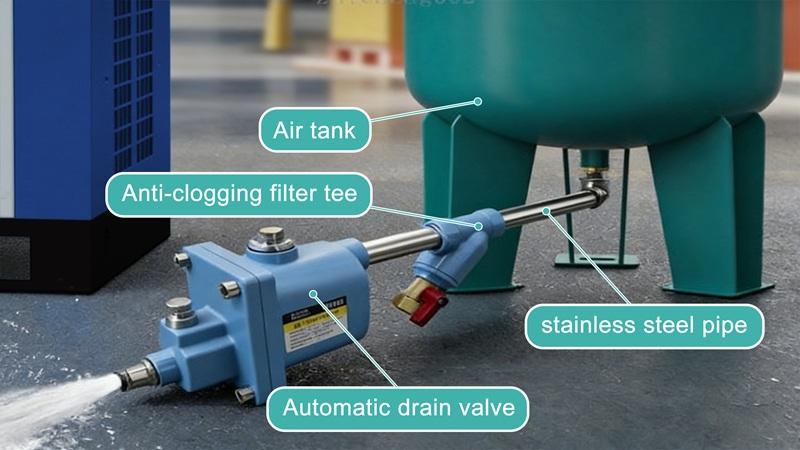
If not removed, this moisture can:
- Cause internal corrosion
- Contaminate compressed air
- Damage equipment
To ensure system reliability:
- Install drain valves (manual or automatic)
- Use dryers and filters
- Perform regular maintenance
Proper moisture management helps protect both the tank and downstream equipment.
Safety Considerations for Compressor Tanks
A compressor air tank is a pressure vessel, which means safety is critical.
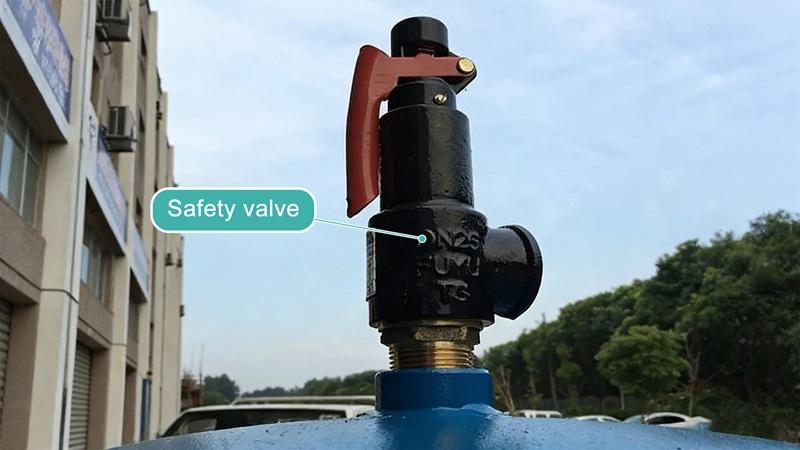
To ensure safe operation:
- Use properly rated tanks
- Install pressure relief valves
- Avoid using damaged or old tanks
- Perform regular inspections
High-pressure systems can be dangerous if not properly managed, so always follow safety guidelines and industry standards.
How to Choose the Right Compressor Tank
Choosing the right compressor tank is essential to ensure stable performance, efficient operation, and long-term reliability in any compressed air setup. Instead of selecting based on size alone, it is important to evaluate several key factors that directly affect how the tank will perform in real applications.

Pressure Rating and Safety Requirements
The first consideration is the pressure rating of the tank. Every compressed air tank must be properly rated to handle the maximum working pressure of the system. Using a tank with an incorrect rating can lead to safety risks and reduced reliability. Always ensure the tank meets industry standards and is suitable for pressurized air use.
Capacity and Tank Size Selection
Capacity determines how much compressed air the tank can store and deliver during peak demand. A larger air tank provides better buffering, reduces pressure fluctuations, and improves efficiency. However, the size should match the compressor output and usage requirements to avoid unnecessary cost or space issues.
Application and Usage Requirements
Different applications require different levels of airflow and pressure stability. For example, industrial facilities with multiple machines typically require higher capacity tanks, while smaller workshops may benefit from more compact solutions. Understanding how the system will be used helps ensure the tank can meet real operating demands.
Installation and Space Considerations
Available space and layout also play an important role when selecting a compressor air tank. In some facilities, a compact or vertical design may be preferred to save space. Proper installation ensures safe operation and allows easier maintenance over time.
Choosing the right tank ultimately means balancing pressure, capacity, application needs, and installation conditions. By considering these factors together, you can select a solution that improves performance, reduces wear, and supports reliable operation across different environments.
Frequently Asked Questions About Compressor Air Tanks
What is a compressor tank used for?
A compressor tank stores compressed air and supplies it to tools and equipment. It helps stabilize pressure and improve system performance.
How do I choose the right air tank size?
You should choose a tank based on your compressor capacity, pressure requirements, and application demand. Larger tanks improve efficiency but should match your system.
What is the difference between an air tank and a compressed air tank?
There is no major difference. Both refer to a tank designed to store compressed air in a system.
How much compressed air can a tank hold?
This depends on the tank capacity and pressure rating. Larger and higher-rated tanks can hold more air.
Are compressor tanks safe?
Yes, when properly rated and maintained. Always follow safety standards and inspect tanks regularly.
Can a compressed air tank improve efficiency?
Yes. A properly sized tank reduces compressor cycling, stabilizes pressure, and improves system efficiency.
Conclusion: Improve Your System with the Right Compressor Tank
A compressor air tank is not just a storage unit — it is a key part of your compressed air system. The right tank helps ensure stable pressure, improve efficiency, and protect your equipment.
Whether you need a compact solution for a small workshop or a large-capacity tank for industrial use, selecting the correct tank is essential to meet your system requirements.
If you are looking for a reliable compressed air tank, we offer a wide range of durable and high-quality options designed for different applications and facilities.
- Multiple tank sizes and pressure ratings
- Durable construction for long-term use
- Solutions designed to meet different system requirements
We provide a wide range of compressor tank products in stock, offering multiple size and capacity options to meet different customer requirements.
👉 Get Your Project Solution to find the right compressor tank for your system and improve your compressed air performance.