Overview of Compressed Air Leaks
Compressed air leaks waste energy and money. Air escapes from loose connections and small cracks. Most plants don’t realize how much air leakage occurs.
Leaks cause air pressure to drop. Your compressor works harder. Energy costs rise. Detection and repair save money. This guide shows you how to find and fix air leaks.
How Air Leakage Occurs in a Compressed Air System
Air leakage occurs when pressurized air escapes from unintended openings within the system. Because compressed air operates under pressure, even small cracks, loose connections, or worn seals can allow a steady stream of air to escape.
As air escapes, the compressor must compensate by increasing runtime to maintain target air pressure. This leads to:
- Pressure drops at demand points
- Reduced compressor’s output efficiency
- Increased energy consumption
- Accelerated equipment wear
The higher the system pressure, the greater the leakage rate. Therefore, uncontrolled pressure settings can magnify energy loss.
Typical compressed air energy losses are substantial. According to the U.S. Department of Energy, many plants waste 20-30% of energy. Wasted energy translates to higher energy costs. Small leaks add up quickly. One leak might seem minor. Multiple leaks compound the problem. Energy consumption rises dramatically.
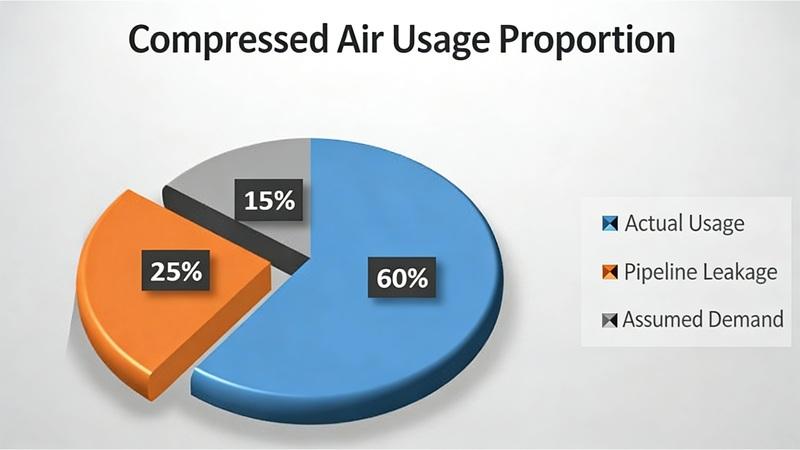
In many facilities, air leakage occurs gradually. Operators may not notice the problem until performance declines or maintenance costs rise. Careful monitoring of pressure trends and compressor cycles helps detect these early warning signs.
Common Causes Of Air Leaks
Understanding the common causes of leakage helps prioritize inspection and maintenance efforts.
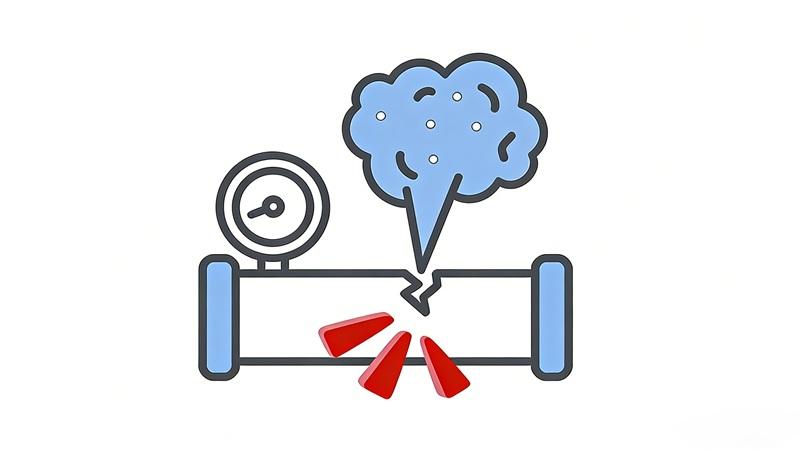
Loose Fittings and Loose Connections.
Loose fittings are the most common cause of compressed air leaks. Threaded connections, quick couplers, and unions can loosen over time due to vibration and repeated pressure cycling.
If not properly tightened with appropriate tools, these connections create small gaps that allow air to escape. Regular torque verification prevents many leaks before they develop into larger issues.
Worn or damaged hoses create air leakage. Hoses degrade over time.
Industrial hoses are exposed to heat, mechanical stress, and abrasion. Over time, small cracks or tears form along the surface. Even minor damage can lead to continuous air leakage.
Replacing aging hoses with quality parts improves reliability and prevents recurring leaks. Temporary patching rarely delivers long-term cost effectiveness.
Failed Seals and Valve Components.
Seals, O-rings, and valve assemblies experience constant stress from compressed air pressure. Material fatigue eventually leads to leakage around valves and regulators.
Replacing seals during scheduled maintenance reduces unexpected failure and minimizes downtime.
Corrosion, Rust, and Aging Infrastructure.
Moisture within compressed air can cause rust inside pipes and fittings. Corrosion weakens components and creates microscopic gaps where air escapes.
Facilities with older piping systems should conduct routine visual inspection to identify rust, cracks, or weakened connections.
Excessive air pressure damages equipment.
Operating at unnecessarily high pressure increases leak severity. The higher the pressure, the faster air flows through existing gaps.
Lowering system pressure to the minimum required level reduces airflow loss and improves overall performance.
How to Detect Compressed Air Leaks
Detecting compressed air leaks requires a systematic approach.
1. Visual Inspection
Routine visual inspection should include checking:
- Fittings and connections
- Valves and regulators
- Hoses
- Flanges
- Joints
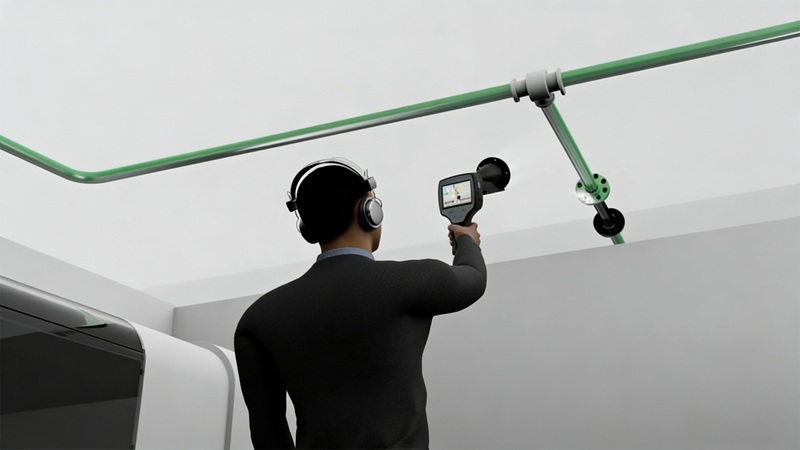
2. Listening for Air Escapes
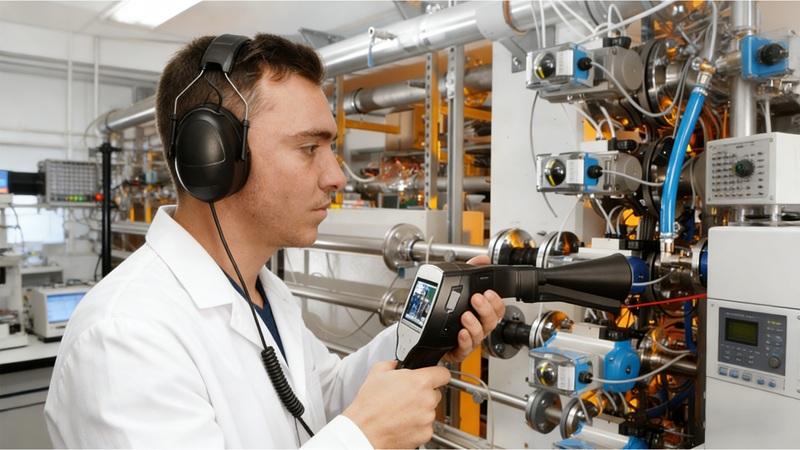
In quiet environments, leaks may produce a hissing sound. However, industrial settings are often noisy, making manual detection difficult.
Directional microphones and audio filters improve identification of suspected leak areas by isolating ultrasonic frequencies produced by escaping air.
3. Soap Solution Method
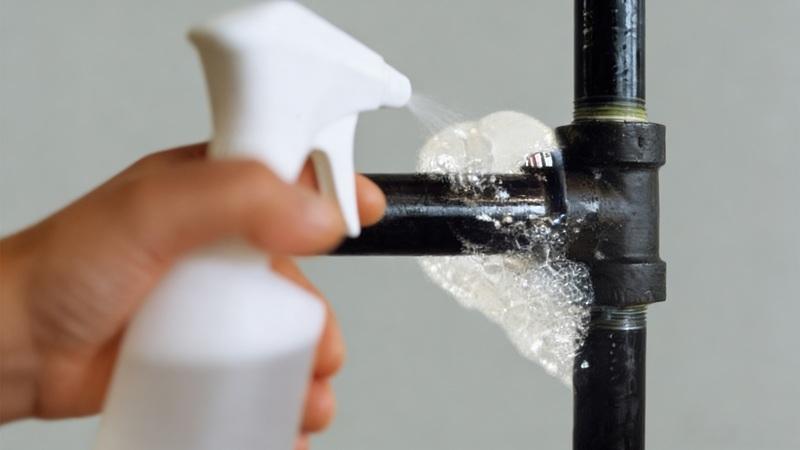
Applying soapy water to suspected connections is a simple and cost-effective method. Bubbles will form at leak locations, making it easy to determine exact gaps or cracks.
This method is especially useful for verifying repairs.
4. Pressure and Flow Monitoring
Monitoring pressure drops across the compressed air system provides valuable insight into leakage levels. Unexpected drops during non-production hours often indicate many leaks within the system.
Flow meters help measure baseline airflow when equipment is idle, revealing hidden energy loss.
The Impact of Compressed Air Leaks on Energy Consumption and Costs
Energy loss from compressed air leaks is often underestimated.
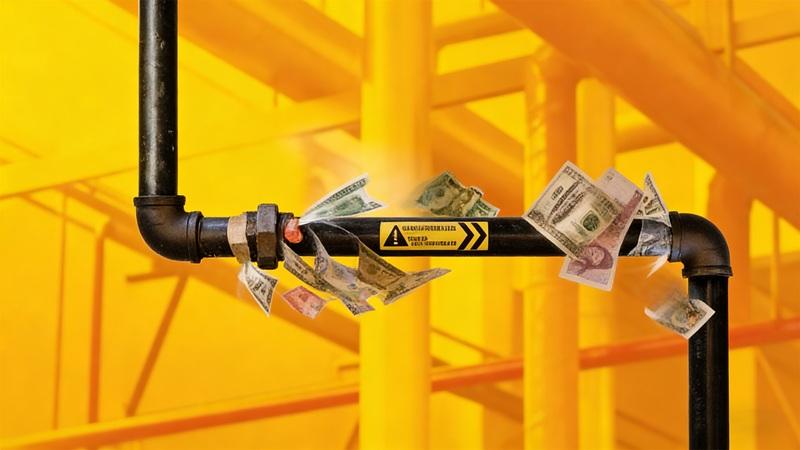
When leakage exists, compressors run longer and cycle more frequently. This leads to:
- Higher electricity usage
- Increased maintenance costs
- Shortened compressor lifespan
- Reduced system stability
Many plants discover that leakage accounts for a significant portion of their overall energy costs. Because compressed air is already one of the most expensive utilities in industrial operations, wasted energy directly affects profitability.
In severe cases, facilities may install additional compressors to compensate for pressure drops, when the real issue is uncontrolled leakage.
How To Fix An Air Compressor Leak
Once leaks are identified, repair should be prioritized based on severity.
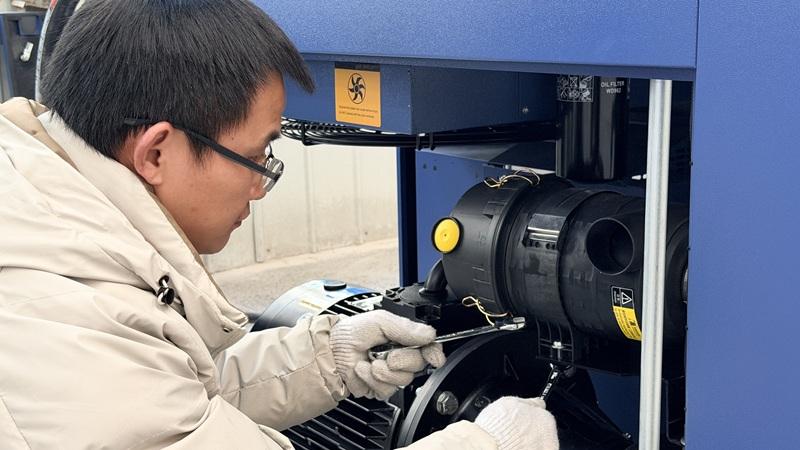
1.Tighten loose connections with proper torque immediately.
Use appropriate tools for the job. Apply correct pressure to fittings. Over-tightening damages components. Under-tightening allows air to escape. Proper functioning requires correct torque specifications. Check manufacturer guidelines. Loose fittings cause most air leaks. Tightening often solves the problem quickly.
2.Replace cracked hoses and worn seals without delay.
Hoses degrade and develop small cracks over time. Worn seals fail under air pressure. Air escapes through damaged components. Quality parts last longer. New seals restore system performance. Replace entire hose sections if needed. Don’t patch temporary solutions. Proper replacement prevents future leaks.
3.Apply approved thread sealant where needed for permanent fixes.
Thread sealant fills gaps in connections. This prevents air from escaping. Use only approved products. Follow application instructions carefully. Allow proper curing time. Sealant improves connection reliability. This cost effective method extends component life.
4.Upgrade low-quality fittings to durable parts immediately.
Poor-quality fittings fail quickly. Substandard components don’t hold pressure. Quality parts prevent air leakage. Invest in better equipment. Durable fittings last years longer. Replacement costs are reasonable. Superior performance justifies higher prices.
5.Schedule immediate repair for high-volume leaks urgently.
High-volume leaks waste significant energy. Energy costs rise rapidly. Compressor strain increases dramatically. Don’t delay major repairs. Address these leaks first. Fixing major leaks saves money quickly. Wasted energy disappears after repair.
Preventing Future Air Compressor Leaks
Preventing new leaks is more cost effective than continuous repair.

Scheduled system inspections
Create a preventive maintenance schedule for your system. Regular maintenance prevents most leaks. Schedule inspections monthly or quarterly. Document all maintenance activities. Track repair dates and costs. Careful monitoring catches new leaks early. Preventive maintenance reduces energy consumption. Your compressed air system runs efficiently.
Careful monitoring of pressure trends
Train employees to spot and report leaks effectively. Staff members work near equipment daily. They notice problems first. Teach identification methods. Show them where leaks commonly occur. Encourage leak reporting. Reward employees for findings. Employee training improves leak detection. Your team becomes leak prevention experts.
Routine replacement of high-wear components
Standardize on high-quality hoses and fittings throughout. Quality parts prevent air leakage problems. Low-quality components fail frequently. Standardization simplifies maintenance. Inventory management improves. Replacement becomes easier. Quality parts cost more initially. Long-term savings justify the expense. Durability prevents unexpected failures.
Reduce unnecessary system air pressure where feasible.
Excessive air pressure stresses components. Seals and gaskets wear faster. Hoses deteriorate more quickly. Lower pressure reduces equipment strain. Controlled airflow prevents damage. Energy costs decrease. Compressor runtimes shorten. Identify where lower pressure works. Adjust regulators appropriately. Monitor system performance after changes.
Maintenance reduces unexpected failure and improves overall system performance.
System-Level Strategies to Reduce Air Waste
Leak management should be part of broader compressed air system optimization.
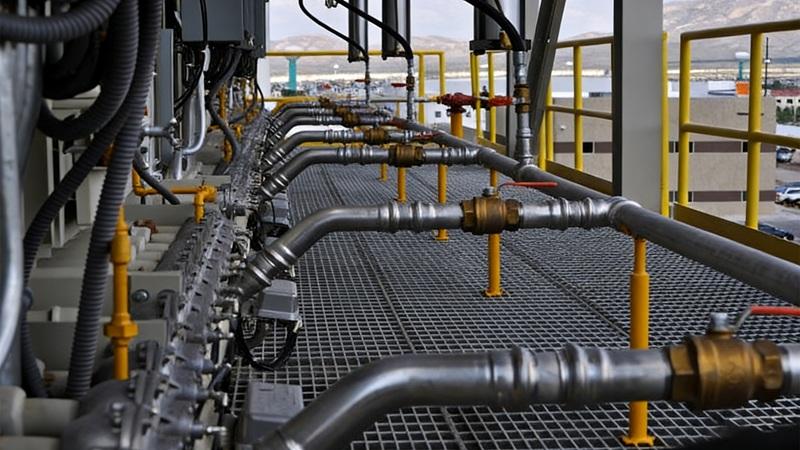
Reducing unnecessary air pressure
Reduce unnecessary system air pressure where possible. Lower pressure decreases energy costs. Equipment stress decreases. Compressor runtimes shorten. Identify areas needing lower pressure. Adjust regulators carefully. Monitor performance after changes.
Eliminating unused air lines
Eliminate unnecessary air consumption points. Review all equipment usage. Remove unused air connections. Consolidate demand where feasible. Fewer demand points mean less air escapes. Energy consumption decreases. System efficiency improves.
Installing isolation valves and flow controllers
Install flow controllers on demand points. They regulate airflow to equipment. Isolation valves shut off unused lines. This prevents continuous air leakage. Better control saves energy. Equipment runs more efficiently. Maintenance becomes easier.
Ensuring proper ventilation around compressor equipment
Make leak prevention part of overall efficiency. Track energy consumption trends. Monitor compressed air system performance. Include leak detection in audits. Coordinate repairs with energy goals. Holistic approaches save the most money. System-wide improvements compound benefits.
Controlled system operation minimizes strain on components and reduces leakage risk.
Maintenance Program And Employee Training
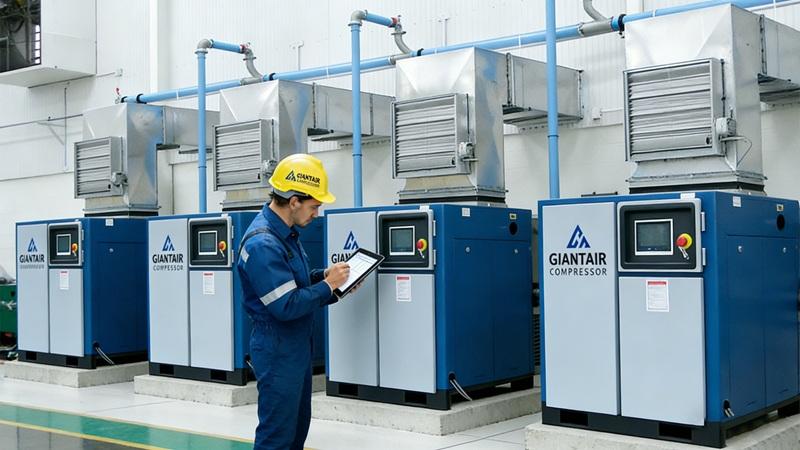
Assign leak-audit responsibilities to staff members. Give specific employees this role. Schedule regular audits throughout the year. Document all findings carefully. Staff participation improves leak detection. Employees become invested in prevention.
Log each repair with date and cost accurately. Keep detailed records of all work. Track maintenance spending. Identify expensive problem areas. Data helps plan budgets. Historical records guide future decisions. Documentation prevents duplicate repairs.
Run short training sessions on leak causes regularly. Keep sessions brief and focused. Explain common causes clearly. Show identification methods. Demonstrate detection techniques. Quick training improves awareness. Employees learn to spot problems. Knowledge prevents future leaks.
Incentivize employees to report air leaks promptly. Reward leak discoveries. Create a reporting system. Make participation easy. Recognition motivates action. Employees become leak hunters. Your team prevents wasted energy. Company savings benefit everyone.
Conclusion
Compressed air leaks are common, costly, and preventable. Air leakage occurs gradually, often without immediate warning, but its long-term impact on energy consumption and system performance can be significant.
By implementing regular inspection, using appropriate detection methods, replacing worn components, and maintaining controlled system pressure, facilities can dramatically reduce wasted energy and improve cost effectiveness.
If you suspect leak areas within your compressed air system, proactive repair and preventive strategies will protect both your equipment and your operating budget.
Contact our team today to learn how professional compressed air leak management can transform energy loss into measurable savings.