Introduction
The comparison between an axial vs centrifugal compressor is a fundamental topic in fluid machinery, especially in fields such as power generation, gas compression, and industrial applications. Engineers and decision-makers are often required to choose between these two types based on flow requirements, pressure targets, operating conditions, and lifecycle costs.
At first glance, both machines belong to the category of dynamic compressors, meaning they rely on continuous flow and the conversion of kinetic energy into pressure energy. However, beneath this shared principle lies a significant difference in design philosophy, performance characteristics, and practical applications.
Understanding these differences is not only important for equipment selection but also for optimizing energy consumption, improving system efficiency, and reducing long-term maintenance costs. Whether in modern jet engines, large gas turbines, or industrial processes, the choice between axial and centrifugal designs directly impacts performance and reliability.
Dynamic Compressors Overview
Both axial and centrifugal machines fall under dynamic compressors, which differ fundamentally from positive displacement compressors.
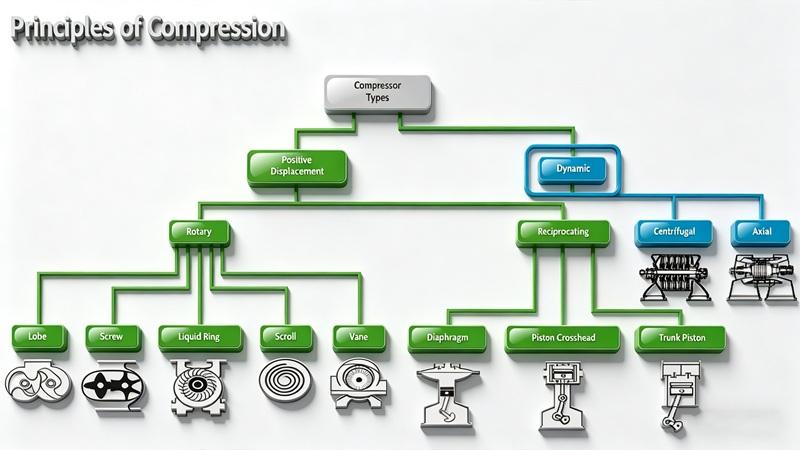
Dynamic compressors do not trap and compress fixed volumes of gas. Instead, they accelerate the gas to a high velocity and then convert that velocity into pressure. This process is continuous, making them ideal for systems requiring steady air flow.
Key performance indicators include:
- Mass flow rate
- Pressure increase
- Efficiency (isentropic and polytropic)
- Rotational speed
These parameters are strongly influenced by inlet pressure, inlet conditions, and overall system design.
Quick Comparison Snapshot
Before diving deeper, it is useful to establish a high-level comparison. The core distinction lies in how the working fluid moves through the compressor.
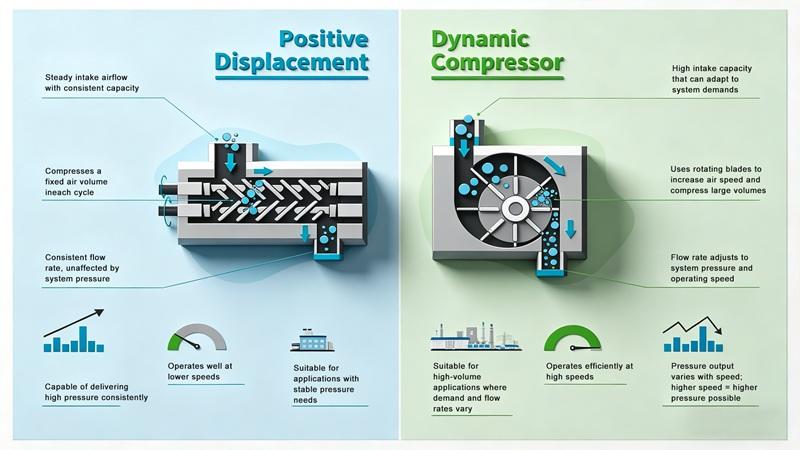
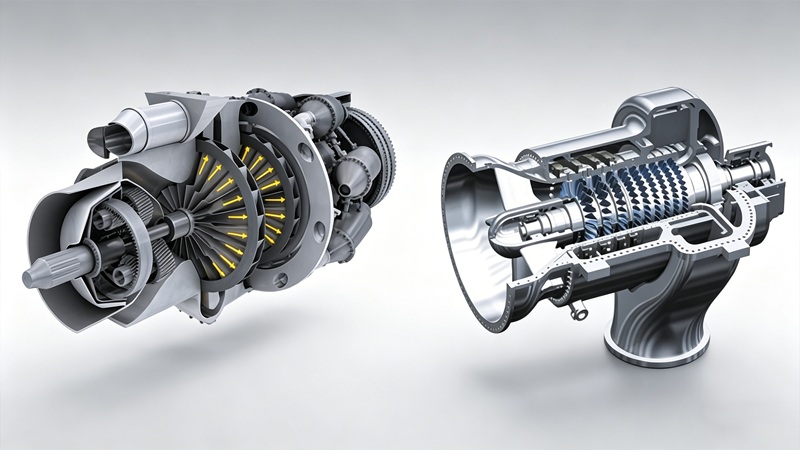
In axial flow compressors, gas moves in a straight path, parallel to the axis of rotation. The air flow follows a straight path along a central shaft, passing through multiple rows of rotating blades and stationary blades.
In contrast, centrifugal compressors operate on a radial principle. Gas enters near the center and is pushed outward by centrifugal force, increasing velocity before being converted into static pressure.
This difference in flow direction leads to distinct performance characteristics:
- Axial compressors → Requires multiple stages,high mass flow, lower pressure ratio per stage
- Centrifugal compressors → Often single stage or few stageshigher pressure per stage, moderate flow
These characteristics explain why axial flow engines dominate in aerospace, while centrifugal types are widely used in industrial settings.
What are Axial Flow Compressors?
An axial compressor is designed so that gas moves parallel to the axis of a rotating shaft. This straight-through design allows for very high mass flow with minimal changes in flow direction, as the gas travels in a continuous axial direction within the machine’s outer casing.
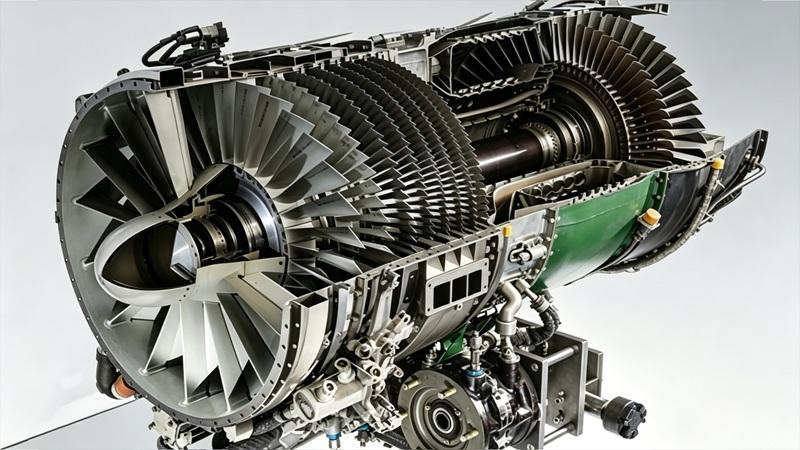
The internal structure is composed of multiple compressor stages, each containing:
- Rotor blades (rotating blades)
- Stator blades (static blades)
These rotating and stationary blades work together to gradually increase pressure. The rotor adds velocity to the gas, while the stator converts kinetic energy into pressure energy.
This process repeats across many stages, depending on the required pressure ratio. Axial compressors typically require 10–15 stages to achieve pressure ratios comparable to just a few stages in a centrifugal design, making them more complex in terms of internal architecture.
Each stage in an axial compressor contributes a relatively small pressure increase, typically delivering a pressure ratio of 1.15 to 1.6 per stage. Through this multi-stage compression process, axial compressors can maintain high performance while achieving polytropic efficiencies generally ranging from 90% to 95%.
Because of this design, axial compressors operate by allowing gas to flow parallel to the axis of rotation through multiple stages of rotating and stationary blades, which incrementally increases the pressure.
This multi-stage approach enables axial compressors to achieve very high-pressure ratios, especially in multi-stage configurations, while maintaining a relatively small frontal area—an important advantage in jet engines.
However, this also means the internal architecture is highly complex. The need for many precisely engineered components increases both manufacturing difficulty and cost.
Axial Compressor Applications, Advantages, and Limitations
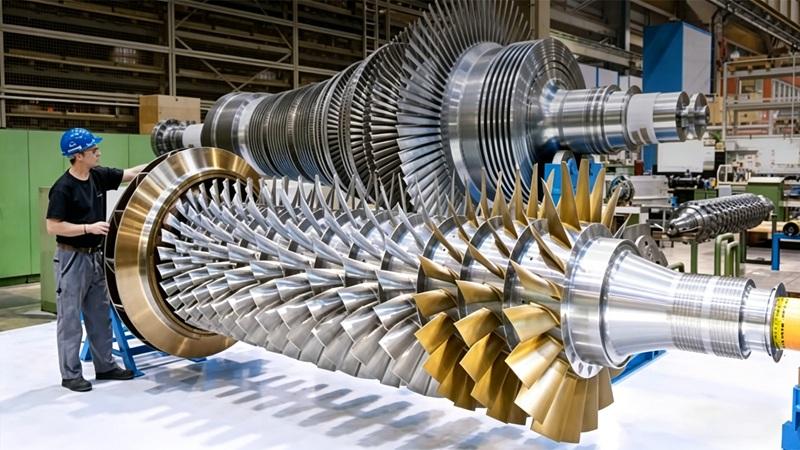
Axial compressors are widely used in applications that require high mass flow rates and efficient continuous compression.They are widely used in:
- Gas turbines for electricity generation-Their multi-stage design makes them well suited for gas turbines used in electricity generation, where stable airflow and high efficiency are essential for large-scale power production.
- Aircraft propulsion systems and modern jet engines–They are also a core component in aircraft propulsion systems and modern jet engines. In aerospace applications, axial compressors enable efficient air compression across varying flight conditions, supporting engine performance, fuel efficiency, and reliable operation.
- Large-scale industrial systems requiring high flow-Beyond power generation and aviation, axial compressors are used in large-scale industrial systems where high-volume airflow is required. Because they can process substantial amounts of air efficiently, they remain indispensable in both the aerospace and energy sectors.
Their ability to handle high mass flow rates efficiently makes axial compressors indispensable in aerospace and energy sectors. They excel in high-flow, high-efficiency applications, particularly at their design point, where performance can be highly effective. However, these advantages come with trade-offs, as axial compressors are also relatively complex, expensive, and sensitive to surging.
Advantages:
- Exceptional efficiency at optimal conditions
- Ability to handle extremely high volumes of air
- Suitable for continuous flow operations
Limitations:
- Complex design with many stages
- High initial investment due to precision engineering
- Sensitive to flow disruptions and inlet conditions
- Risk of aerodynamic stall and surge
In addition, axial compressors tend to incur higher maintenance costs over time. Their intricate internal structure requires regular inspection, alignment, and blade maintenance.
What are Centrifugal Compressors?
Centrifugal compressors operate on a different principle from axial machines, using centrifugal force to move gas outward from the center rather than following a straight flow path. This design allows them to achieve higher pressure ratios in a single stage and perform more effectively under varying load conditions.
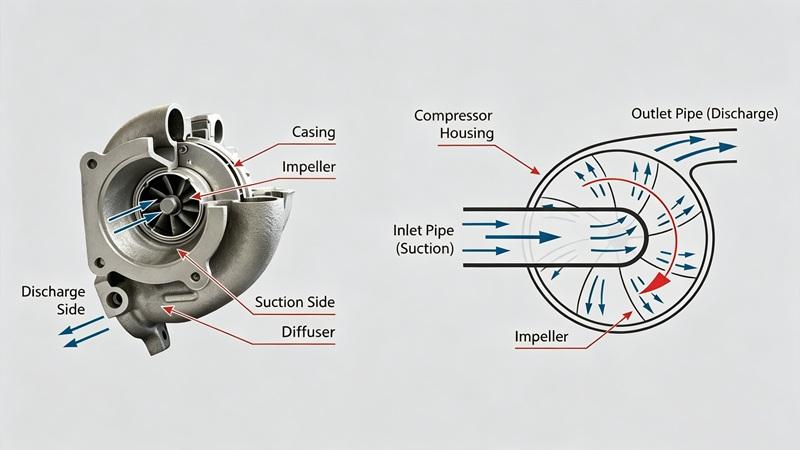
Gas enters the compressor near the axis of rotation, where it is accelerated by a high-speed impeller. This motion increases the kinetic energy of the gas. The gas then passes through a diffuser, where kinetic energy is converted into pressure energy.
This mechanism allows centrifugal compressors to achieve significantly higher pressure increases in a single stage. Typical values range from 2.2 to 3.0 pressure ratio per stage, with some designs reaching 5–7:1.
Because of this, centrifugal compressors often require fewer stages compared to axial designs, simplifying the internal structure.
Centrifugal Compressor Applications, Advantages, and Limitations
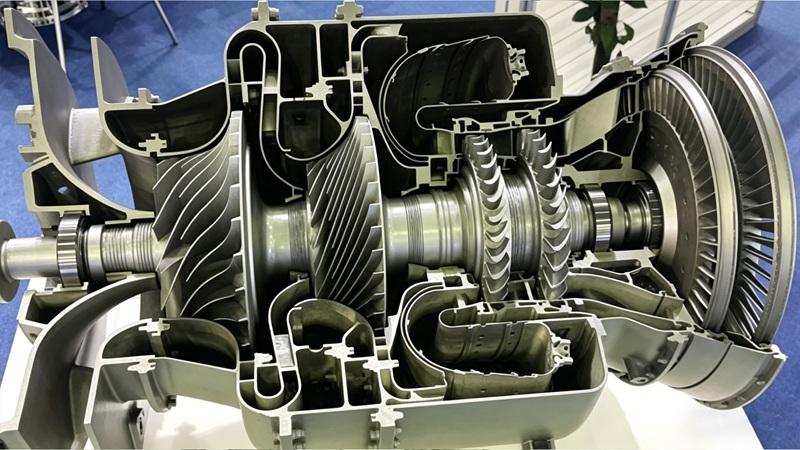
Centrifugal compressors are durable, compact, and cost-effective for moderate flow, high-pressure, and variable-load industrial settings.They are widely used in:
- Industrial processes
- Chemical plants
- Blast furnaces
- Air separation systems
They are particularly suited for moderate flow and higher pressures, making them ideal for many industrial environments.
Advantages:
- Fewer moving parts → lower maintenance
- Durable and robust design
- Cost-effective for medium-scale applications
- Stable performance under variable loads
Centrifugal compressors are known for their robust design, which allows for long operational life cycles with minimal intervention, especially in clean environments.
They are also durable, compact, and cost-effective for moderate flow, high-pressure, and variable-load industrial settings.
However, they are not without limitations:
- Larger diameter and cross-sectional area
- Lower efficiency at extremely high flow rates
- Performance sensitivity to gas composition
Despite their robustness, the larger physical size may be a disadvantage in space-constrained installations.
Axial vs Centrifugal Compressor: Technical Comparison
When comparing axial and centrifugal compressors, several factors must be considered together rather than in isolation.
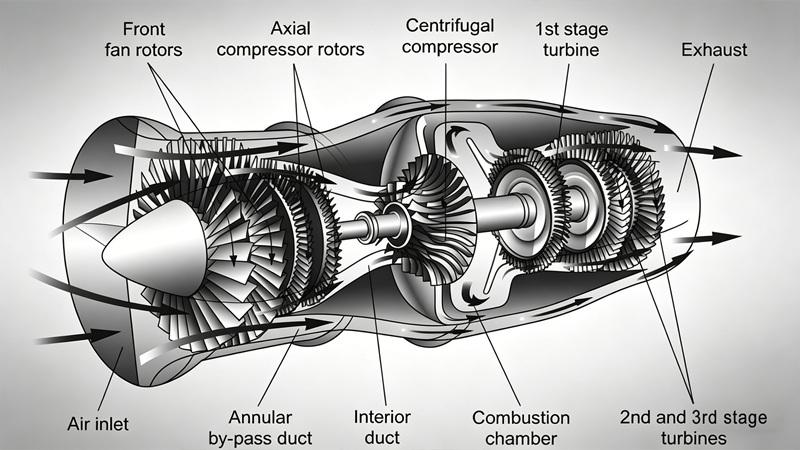
Axial compressors are generally more efficient at high mass flow rates, while centrifugal compressors maintain more stable efficiency across a wide range of operating conditions.
Centrifugal compressors also perform better under varying loads, making them more flexible in real-world applications.
However, when handling extremely high volumes of air, centrifugal compressors are typically less efficient than axial machines.
From a structural perspective:
- Axial compressors require many stages → more complex
- Centrifugal compressors achieve higher pressure with fewer stages
This explains why axial compressors are used in jet engines, while centrifugal compressors dominate in industrial systems.
Maintenance, Reliability, and Lifecycle Cost
Maintenance considerations play a major role in compressor selection.
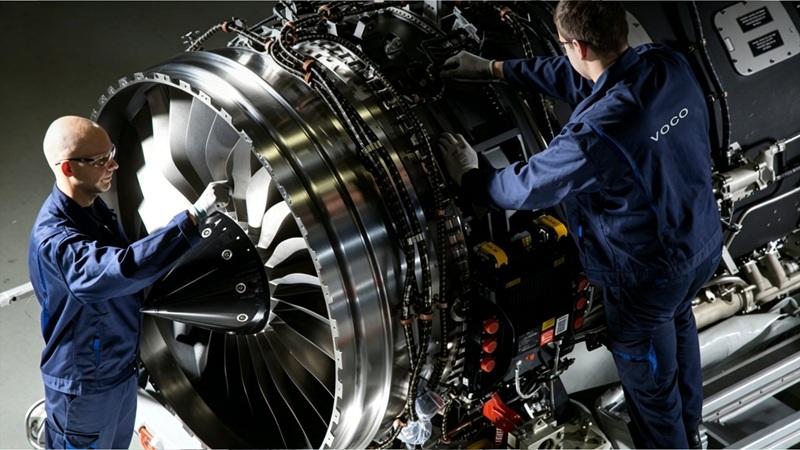
Although axial compressors deliver high efficiency in large-scale industrial applications thanks to their multi-stage design and precision components, their complex internal architecture demands frequent inspections and meticulous maintenance. This intricate construction also results in significantly higher long-term operating costs and a higher initial investment compared to alternative designs.
By comparison, centrifugal compressors—with fewer moving parts and a more robust, simplified architecture—are generally more cost-effective to purchase and operate. They offer a lower total cost of ownership through reduced maintenance needs, simpler foundation requirements, and extended service life with minimal intervention, making them the more economical and reliable choice for medium-scale industrial applications, particularly in clean and controlled environments.
They also benefit from:
- Simpler foundations
- Lower installation costs
- Reduced downtime
As a result, centrifugal compressors often have lower total cost of ownership, making them more economical for many industrial applications.
Selection Guide: How to Choose the Right Compressor
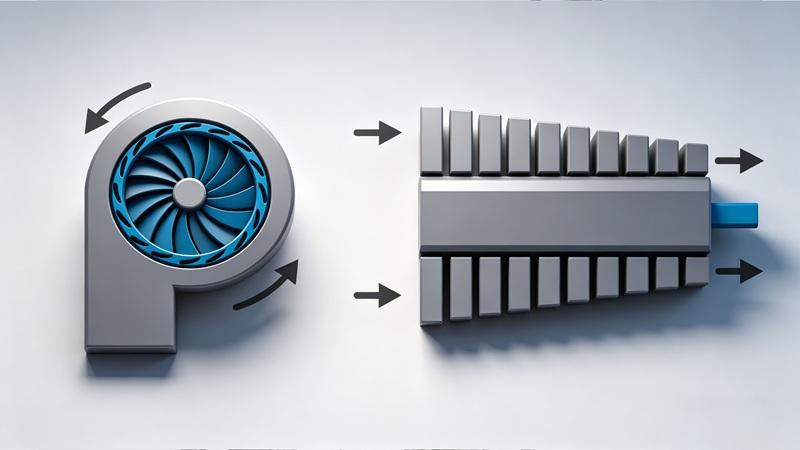
Selecting the right compressor requires balancing multiple factors,Choosing between centrifugal and axial compressors depends on:
Choose an axial compressor when:
- High mass flow is required
- Efficiency at a fixed operating point is critical
- Application involves gas turbines or jet engines
Choose a centrifugal compressor when:
- Higher pressure is needed per stage
- Operating conditions vary
- Lower maintenance and cost are priorities
In industrial environments, axial compressors are typically used for high-volume, low-pressure applications, while centrifugal compressors are preferred for high-pressure, lower-volume needs.
Case Studies and Practical Applications
In aerospace, axial compressors are essential. Their ability to compress large volumes of air efficiently makes them ideal for modern jet engines.
In contrast, centrifugal compressors are widely used in industries such as chemical processing and metallurgy. Their ability to deliver higher pressures reliably makes them suitable for demanding industrial processes.
Specifications to Request from Manufacturers
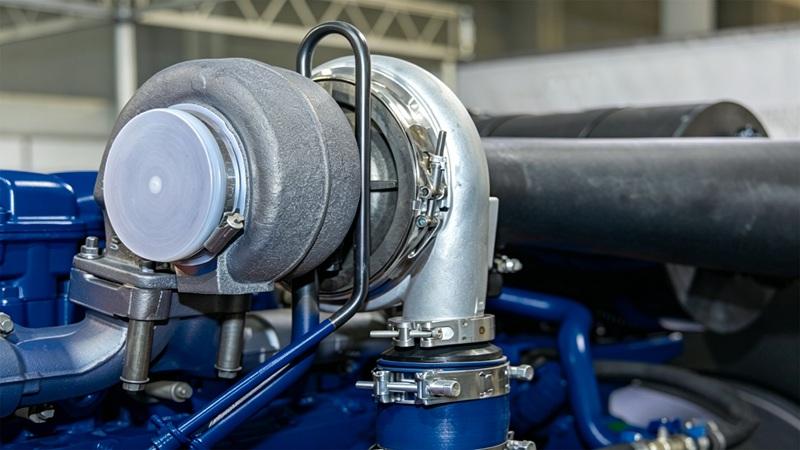
Before selecting a compressor:
Request:
- Performance curves
- Pressure ratio data
- Efficiency across load
- Maintenance schedule
- Spare parts list
These determine real-world performance.
Summary and Decision Checklist
Axial vs centrifugal compressor comparison highlights clear trade-offs.
Axial compressors:
- High flow
- High efficiency
- Complex and costly
Centrifugal compressors:
- Higher pressure per stage
- Durable and flexible
- Lower cost and maintenance
Checklist:
- Define flow and pressure requirements
- Evaluate operating conditions
- Consider maintenance and lifecycle cost
- Select based on application
Call to Action (CTA)
Choosing between axial and centrifugal compressors is a critical engineering decision that directly impacts efficiency, reliability, and long-term cost.
If you are designing a system or upgrading existing equipment, expert guidance can make a significant difference.
👉 Contact our team today to discuss your application and get tailored recommendations.
👉 Explore our compressor solutions designed for performance, durability, and efficiency.
The right compressor choice starts with the right expertise.