
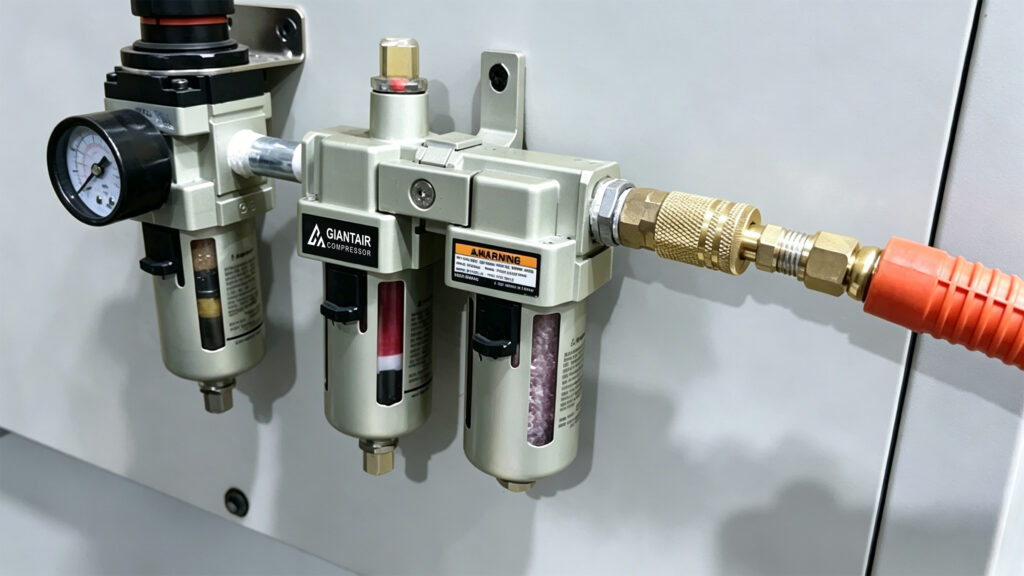
Compressed air always carries moisture, even if you can’t see it. When an air compressor draws in air and compresses it, pressure and heat keep that water vapor suspended.
But as the air cools inside the tank and moves through the air line, that vapor condenses into liquid water.
If it isn’t removed, it can reach air tools, cause rust, mess up paint jobs, and reduce system performance over time.
A moisture trap for an air compressor helps catch that water before it spreads. This article explains how moisture forms, why it matters, and how to deal with it.
What Is a Moisture Trap for an Air Compressor?
A moisture trap for an air compressor is a device designed to remove water from air before it reaches your tools or equipment.
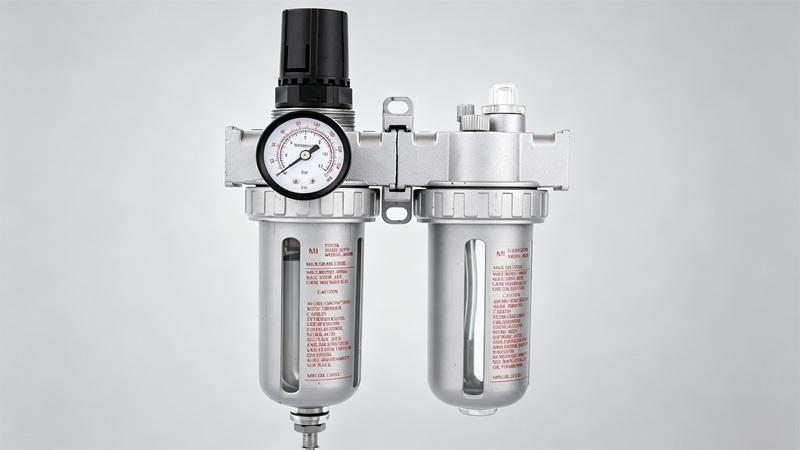
It’s sometimes also called a water trap or water separator, but the goal is the same: catch liquid water that forms when air cools inside the system. When air is compressed, it holds moisture as vapor, but that vapor turns into water as the air moves through the line and temperature drops. A moisture trap collects that water so it doesn’t continue through the air line and into your air tools.
In some industrial applications, environmental compliance may also require moisture traps to separate oil from water so contaminants can be disposed of properly.
In most setups, people use the terms “moisture trap” and “water trap” interchangeably, but there can be slight differences depending on design or complexity. A basic trap usually removes larger water droplets, while more advanced separators can remove finer moisture and sometimes even oil. A full compressed air water trap system may include additional filtration stages, but at its core, the function is still simple separation of water from air.
These traps are commonly used anywhere compressed air is in regular use. That includes workshop air compressor systems, garages, paint setups, and industrial air lines. They’re typically installed along the air line, often near the outlet of the compressor tank or close to where air tools are being used, ensuring drier air reaches the point of use and reducing moisture-related damage across the system.
How a Moisture Trap Works
A moisture trap for an air compressor works by controlling how compressed air moves through a system so that water can naturally separate from it. When air leaves the compressor, it is still carrying water vapor that was pulled in during intake. As that air travels through the air line, changes in temperature cause that vapor to turn into liquid water. The trap is installed along the line so this process can be managed before the air reaches tools.
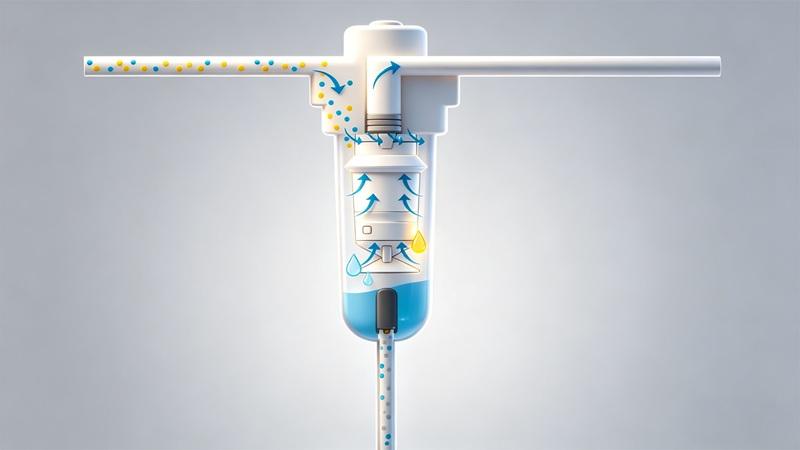
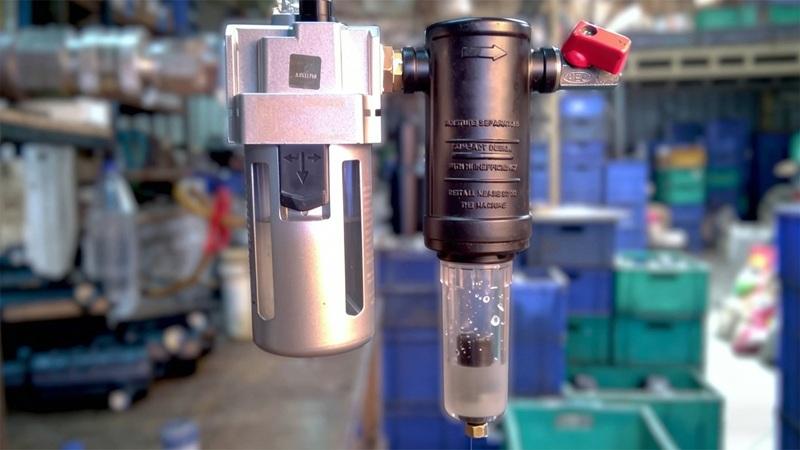
Inside the device, airflow is slowed down and often redirected. Many moisture traps use centrifugal separation, where compressed air spins inside the chamber and heavier water droplets are flung against the outer walls before collecting in a bowl below.
This matters because fast-moving air keeps moisture suspended, but when the air is forced to change direction or rotate inside the trap, the heavier droplets can no longer stay mixed in the airflow. They separate out and fall due to gravity. This separation process is what allows the system to deliver drier air to air tools, helping maintain optimal performance and reducing wear over time.
Once the water has been separated, it collects at the bottom of the trap. From there, it has to be removed. Some systems use an auto drain that automatically releases the collected water, while simpler setups require manual draining by opening a small valve. If this step is ignored, water can build up inside the system and reduce efficiency or even get pushed back into the air line.
In practice, this simple process makes a big difference. Cleaner, drier air helps tools run more consistently, reduces corrosion inside fittings and equipment, and improves long-term reliability of the entire compressed air system.
Types of Water Traps for Air Compressors
Types of water traps for air compressors depend on where they sit in the system and how they remove moisture.
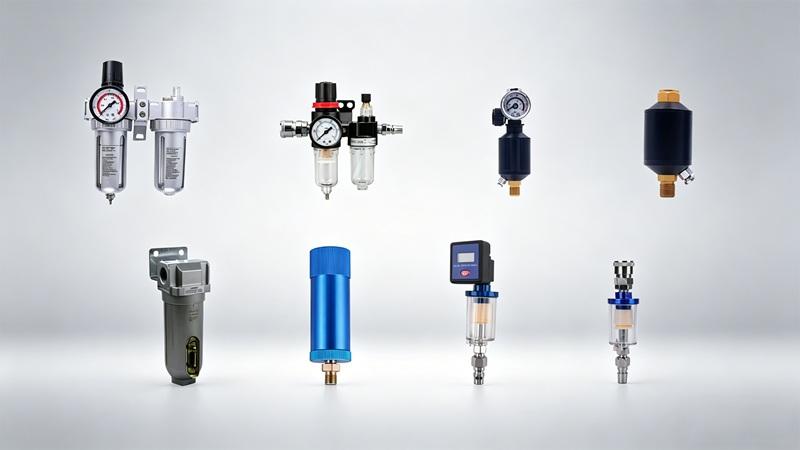
Inline moisture traps are the most common. They’re installed directly in the air line and remove water as compressed air moves through. They’re simple, cheap, and often used in home shops or sheds.
Tank-mounted water traps sit at the compressor tank outlet. They catch moisture early, right after air leaves the compressor, which helps improve overall system performance.
Filter-regulator water separators combine filtration, pressure regulation, and moisture removal in one unit. These are useful when you need steady pressure and clean air for air tools or paint work.
Drain type also matters. Auto drain traps automatically remove collected water, while manual versions require you to open a valve. In high-volume applications, automatic drains help reduce human error by regularly removing accumulated moisture from the trap. Auto drains are better for long-term or continuous use, while manual versions are more basic and lower in cost.
Moisture Trap vs Air Dryer vs Filter: What’s the Difference?
We’ve already described how moisture traps work. What about an air dryer or a filter?
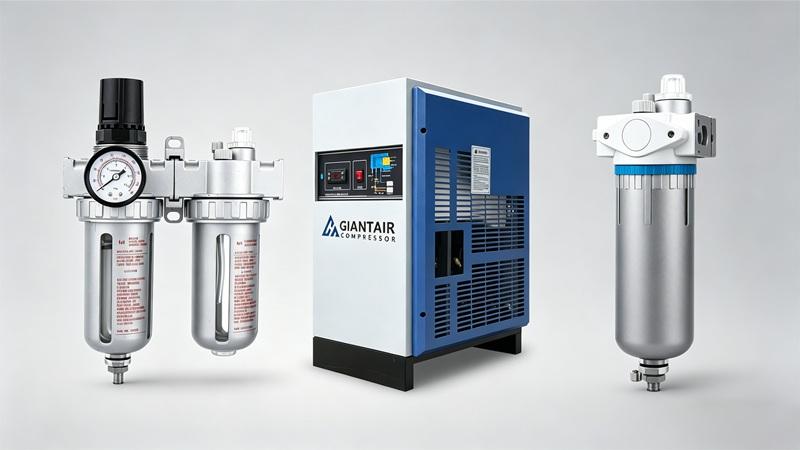
An air dryer, especially a refrigerated dryer, goes further by removing moisture before it turns into water, delivering much drier compressed air for better optimal performance.
An air filter is different again. It removes dirt, dust, and oil particles, not water vapor or liquid moisture.
A moisture trap alone is fine for basic use, but it’s not enough for paint work, sensitive air tools, or long-run systems where consistent dry air is needed.
Where to Install a Water Trap in a Compressed Air System
A moisture trap for air compressor setups works best when placed where water actually forms in the compressed air system.
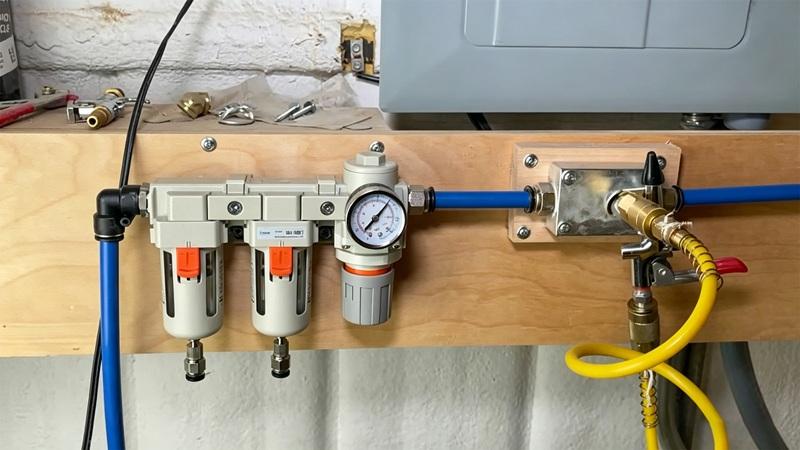
At the compressor outlet is a common spot. As air leaves the tank, temperature drops and water vapor turns into liquid, so a water trap here removes moisture early before it enters the air line.
After the tank is another strong option. This is where a lot of condensation collects, making it a good place for a water separator to protect the rest of the system and air tools.
Along the air line, additional traps can be installed in longer runs. As compressed air continues to cool, more moisture forms, so extra traps help maintain optimal performance.
In most cases, combining these placements gives the best results.
Benefits of Using a Compressed Air Water Trap
A moisture trap for air compressor setups makes a huge difference in how a compressed air system performs day to day.
First, it protects air tools and equipment. Moisture in air hoses can wash away lubricants inside pneumatic tools, leading to increased wear, rust, and shorter tool life. A water trap removes that moisture before it reaches the equipment, helping tools and components operate more reliably over time.
Second, it improves air quality and overall system performance. Drier compressed air provides more stable airflow, smoother operation, and better consistency during use. This is especially important for sensitive tasks like spray painting, where even small amounts of water can damage paint finishes or affect the quality of the final work. Moisture traps also help protect sensitive machinery from contamination caused by condensate.
Finally, it reduces corrosion and maintenance costs. Water inside the system can cause rust in tanks, fittings, and air lines, while accumulated condensate may reduce airflow efficiency and increase system problems over time. Without a moisture trap, moisture can damage tools, ruin paint jobs, and create unnecessary maintenance and repair costs. Removing that moisture early helps keep the compressed air system cleaner, more efficient, and more reliable.
Common Problems and Mistakes with Moisture Traps
Many issues with a moisture trap for air compressor setups come from incorrect use rather than problems with the device itself.
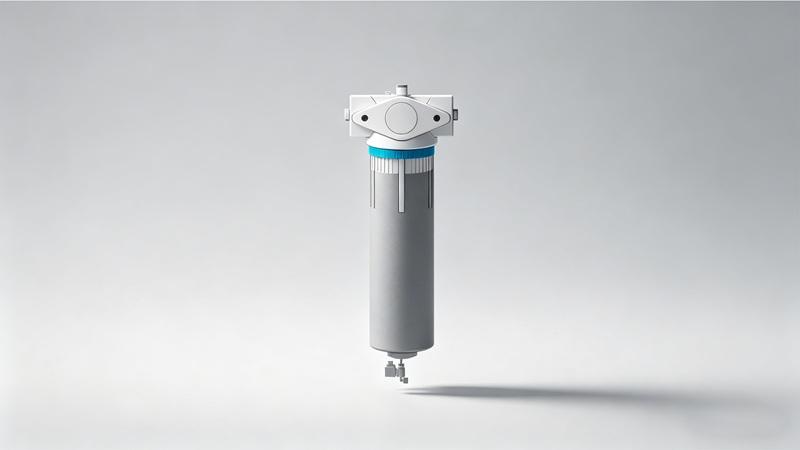
Incorrect installation position is a common mistake. If the trap is installed in the wrong place, it will not remove moisture effectively. Placement should match where water is most likely to form in the compressed air line.
Choosing the wrong size or capacity is another issue. Some users buy a low-cost option without checking airflow requirements or system size. If the trap is too small, it may not handle the air volume properly, which reduces performance over time.
Not draining water regularly is also a frequent problem. Manual traps need to be opened and drained, but this maintenance step is often overlooked. Water buildup can reduce efficiency and push moisture back into the system. Auto drain models are an easy option for reducing maintenance.
Finally, a moisture trap should not be treated as a replacement for an air dryer. It helps remove liquid water, but it does not fully dry compressed air in every case.
Air Compressor with Water Trap: Built-in vs External Solutions
An air compressor with a built-in moisture trap can be a convenient option for basic setups. These systems come with a water trap or water separator already installed at the outlet, so moisture starts getting removed as soon as compressed air leaves the tank.
This makes them easy to use right out of the box, with less setup needed. For light shop, shed, or DIY use, they can deliver solid performance without extra components.
That said, built-in traps are usually limited in capacity. In many cases, they won’t remove enough moisture for longer run systems, higher airflow, or more demanding air tools. Over time, this can lead to water reaching the air line, especially as temperature changes and more water vapor condenses.
An external moisture trap for air compressor systems is often the better option when you need more control.
These devices can be installed exactly where needed along the line, combined with a pressure regulator, or upgraded to include auto drain features. This flexibility makes a huge difference in real-world performance, especially for paint work or continuous use.
In terms of cost and performance, built-in systems are a simple, low-cost option, while external traps offer better long-term results. Choosing between them depends on your system size, how often you run it, and how clean and dry your compressed air needs to be.
How to Choose the Right Moisture Trap for Your Needs
Choosing the right moisture trap for an air compressor starts with pressure, airflow, and capacity. The device needs to match your compressed air system, or it won’t remove water effectively.
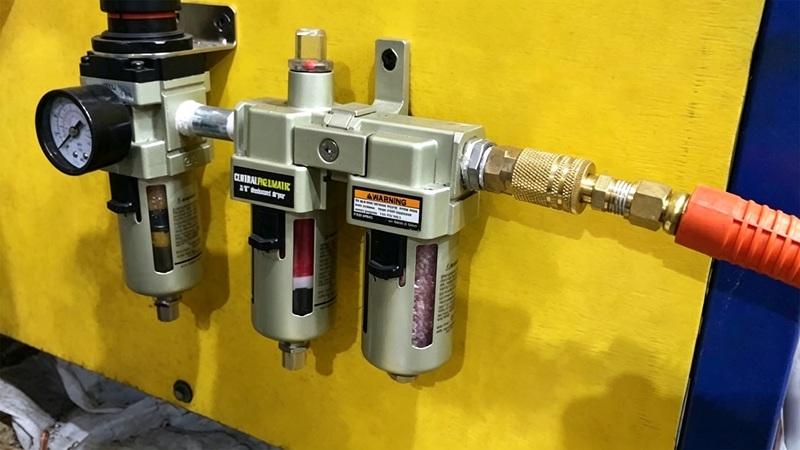
Next is matching the type to your use. A basic inline moisture trap works for light air tools, while a filter-regulator water separator is better for paint or jobs needing steady pressure. There are also different drain designs to consider.
Float-operated traps are common for standard applications, while electronically operated versions are often preferred in high-volume or critical systems because they remove moisture more efficiently and require less manual attention. An auto drain is also a good option if you want lower maintenance.
Use case matters as well. DIY setups usually need only simple moisture control, while shop or industrial systems may require larger separators or multiple units installed along the air line. Proper installation also affects performance.
For better condensation and water removal, the moisture trap is typically installed farther from the compressor so the compressed air has more time to cool. In most systems, mounting the trap vertically on the discharge line downstream from the compressor tank provides more effective separation.
Finally, choose a durable product that can handle long-term use and maintain stable performance over time.
Installation and Maintenance Tips
Drain valve maintenance is something many users overlook. Whether you’re using a manual or auto drain, you still need to check it from time to time. If the valve gets stuck or clogged, water won’t remove properly and can build up in the system. Taking a minute each day or every few runs to open, check, and clear it is a simple step that helps the trap continue working.
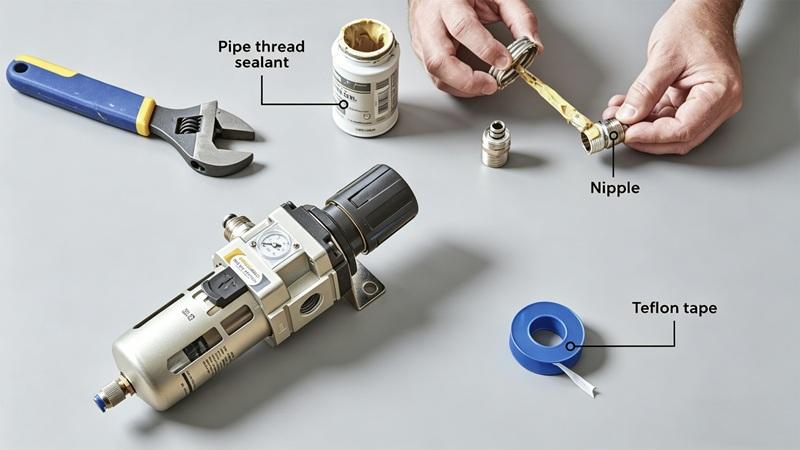
Regular inspections of the moisture trap are also important for identifying signs of wear, damage, or reduced performance before they affect the compressed air system. Cleaning and replacement depend on use. In a light setup, you may only need to check it occasionally, but in a high-use system, more frequent care is needed.
Filters inside the moisture trap can also become clogged or dirty over time, so cleaning or replacing them should be done according to the operating conditions of the system.
As components wear or lose efficiency, performance can drop and moisture removal may become less effective. Choosing a solid option upfront, even if you buy from GiantAir, can make maintenance easier and improve long-term experience.
FAQ: Moisture Trap for Air Compressors
Do I need a moisture trap for my air compressor?
If you’re using compressed air regularly, then yes, a moisture trap is usually needed. Any air compressor pulls in air with water vapor, and that moisture will turn into water inside the system. Without a trap, that water can reach air tools, cause wear, and reduce performance over time.
How much water can a moisture trap remove?
A moisture trap removes liquid water that has already formed in the air line. The amount depends on the size of the trap, airflow, and how much moisture is in the system. It can remove a lot of visible water, but it won’t eliminate all moisture from compressed air.
Can a moisture trap replace an air dryer?
No. A moisture trap is a basic solution that removes condensed water, while an air dryer removes moisture before it turns into liquid. For applications that need very dry air, both are often used together.
Why is there still water after installing a trap?
This usually comes down to placement, capacity, or system conditions. If the trap is installed in the wrong spot, is too small, or the air continues to cool further down the line, more water can form after the trap. In some cases, adding another trap or a dryer is needed.
Conclusion: Solve Moisture Problems with the Right Water Trap
A moisture trap for an air compressor is a great way to deal with a problem every compressed air system has: water forming as air cools. Once air is compressed and moves through the tank and air line, moisture naturally condenses and can reach tools, fittings, and equipment if it isn’t removed. Over time, that leads to rust, wear, and inconsistent performance.
The main thing that many people find is that not all setups need the same solution. A basic water trap can be enough for light use with standard air tools, but more demanding applications like painting, continuous shop work, or longer air line runs often need better separation or additional drying equipment. Matching the system to the actual workload is what keeps everything running smoothly.
The next step is to look at your current setup and see where moisture is forming or collecting. Improving placement, upgrading to a better separator, or adding extra moisture control can all make a noticeable difference in reliability and long-term performance.
Get the Right Moisture Trap for Your Air Compressor
We know what you are thinking. Nice information, guys. Thanks for showing us the ropes. But, bigger picture: How do I put this information to use?
One of the fastest ways is to contact us at GiantAir for a personalized consultation. No account necessary, nor will you be forced into a directionless conversation with a bot. Reach out today for more information!