Compressed air is widely used in industrial processes, but it always creates heat during compression. As air is compressed, its temperature rises, especially in multi-stage systems like a two stage compressor, where heat builds up from one stage to the next. This makes heat control an important part of system design.
If heat is not managed, it can reduce efficiency, affect performance, and damage equipment. Hot air also holds more moisture, which can condense during cooling and lead to corrosion or other problems.
Cooling helps solve these issues. By lowering temperature, the system produces denser air and allows moisture to condense and be removed. This improves efficiency, protects equipment, and supports stable operation.
Intercoolers and aftercoolers are used for this purpose. They remove heat at different points in the system, and understanding their roles helps you choose the right solution. In this article, we look at everything you need to know.
Why Compressed Air Needs Cooling
In any air compression system, heat is a direct result of the compression process. As air is forced into a smaller volume inside a compressor, its temperature rises significantly—this is known as the heat-of-compression effect.
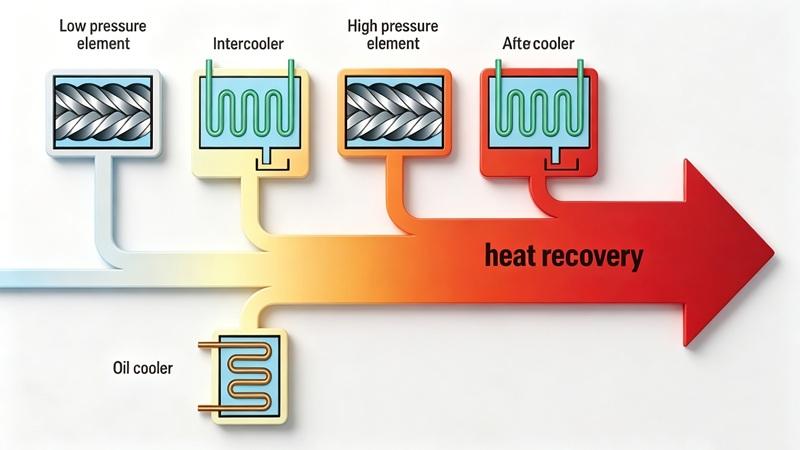
The tighter the compression and the more stages involved, the more heat is generated. By the time the air reaches later stages in a multi-stage system, it can become extremely hot, carrying a high level of thermal energy into the rest of the process.
This elevated temperature impacts both system performance and air quality. Hot compressed air is less dense, which reduces efficiency, and it also holds more moisture in vapor form. That combination makes cooling a necessary step, not an optional one.
When compressed air begins to cool, the moisture it contains condenses into liquid water. If that condensation is not properly managed, it can create several downstream problems:
- Water can accumulate in pipes and equipment, increasing the risk of corrosion
- Sensitive process components can be damaged or operate inconsistently
- Moisture can interfere with tools, controls, and finished products
- Excess water can reduce the lifespan of the entire system
- In some applications, contamination from moisture can compromise product quality
Cooling the air removes heat and triggers controlled condensation, allowing moisture to be separated and removed before it causes damage. This step is essential for protecting equipment, maintaining efficiency, and ensuring consistent performance across the system.
What Is an Intercooler?
Definition of an Air Compressor Intercooler
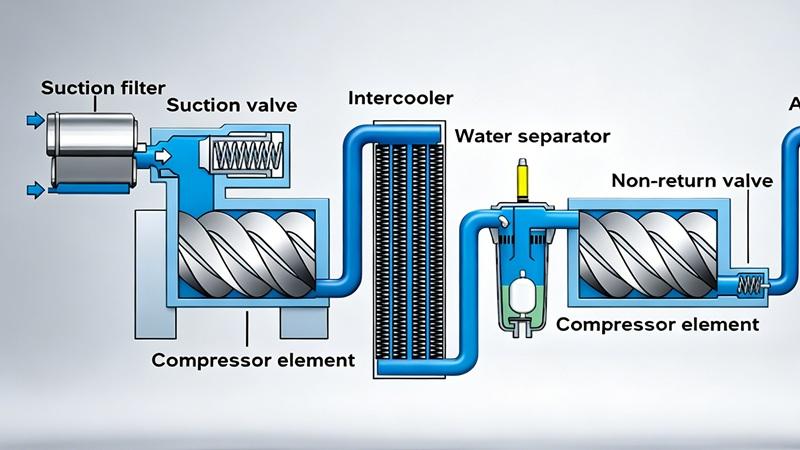
An air compressor intercooler is a device used in a compressed air system to remove heat from air between compression stages. It works as a heat exchanger. When intake air is compressed in the first stage, temperature increases and creates excess heat. The intercooler reduces this heat before the air moves to the next stage.
Intercoolers are primarily used in multi-stage air compressors, where cooling the air between stages increases air density and improves overall system efficiency. This helps improve efficiency, increase air density, and reduce the risk of damage to equipment or process components. Intercoolers are commonly used in industrial systems where stable performance and controlled temperature are required.
Position of the Intercooler
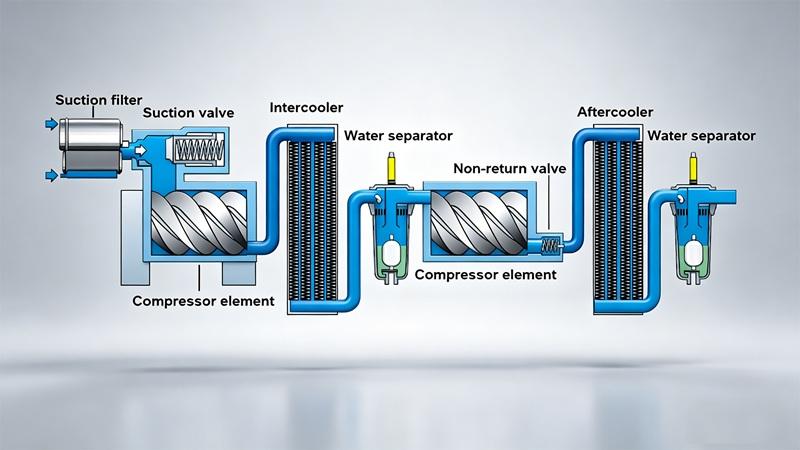
The intercooler is placed between compressor stages. In a two stage compressor, it sits between the first stage and the second stage. After the first stage compresses the air, the hot air flows through the intercooler before entering the next stage.
In larger systems, more than one intercooler may be used, depending on system design and application requirements. This setup is common in systems that need higher pressure and better temperature control.
How Intercooling Works
In operation, intake air first enters the compressor and is compressed in the first stage, which increases both pressure and temperature. The hot compressed air then passes through the intercooler. Inside the intercooler, heat is removed through tubes and fins, similar to a radiator. The cooling medium is usually ambient air or water.
As hot compressed air passes through the device, heat is released and the air becomes cooler before the next stage of compression. Lower temperature air is denser, so the second stage requires less energy to compress it further. This improves overall efficiency and reduces the load on the compressor.
At the same time, removing heat helps prevent overheating and reduces thermal stress on components. Without intercooling, excess heat would build up, leading to lower efficiency and higher risk of failure. By controlling temperature between stages, the intercooler supports stable operation, better performance, and longer equipment lifespan.
What Is an Aftercooler?
Definition of an Air Compressor Aftercooler
An aftercooler is a key component in a compressed air system designed to reduce the temperature of air after it leaves the compressor. Because air becomes hot during compression, this cooling step is necessary to stabilize the air before it moves into storage or downstream equipment.
In simple terms, an aftercooler converts hot, high-energy compressed air into cooler, more manageable air, while also preparing it for moisture removal and further air treatment.
Position of the Aftercooler
An aftercooler is installed directly after the final compression stage and before components such as air receivers, dryers, and filters. A typical layout looks like this:
compressor → aftercooler → moisture separator → air dryer → filters
Placing the aftercooler immediately after compression ensures that heat is removed early in the process. This reduces the load on downstream equipment and improves overall system efficiency and stability.
How Aftercooling Works
Aftercoolers improve both air quality and system performance by removing heat and enabling effective moisture separation. They use a heat exchanger—either air-cooled or water-cooled—to lower the temperature of compressed air. In most systems, aftercoolers can reduce the air temperature to around 7 to 10°C above ambient temperature, which helps maintain system efficiency and prevents damage to sensitive components.
As the air cools, its ability to hold water vapor decreases. This causes moisture to condense into liquid water, which can then be removed through separators or drain systems. Without this process, water vapor would remain in the system, leading to corrosion, contamination, and operational problems.
By reducing both temperature and moisture content, aftercoolers help protect downstream equipment, improve reliability, and maintain consistent air quality. This is especially important in industrial applications where clean, dry air is required for stable and efficient operation.
Intercooler vs Aftercooler: Key Differences Explained
Difference in installation position
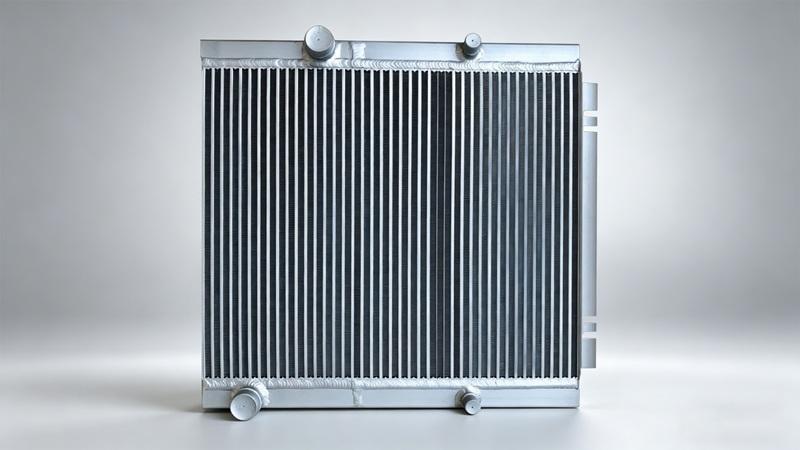
An intercooler is installed between compressor stages in a multi-stage air compression system. In a two stage compressor, it sits between the first stage and second stage. In larger systems, it may be placed between multiple stages. An aftercooler is installed after the final stage of compression. It treats air only after the full compression process is complete.
Difference in function
An intercooler mainly improves compression efficiency. It reduces the temperature of air before the next stage, which lowers the work required for further compression. An aftercooler focuses on air treatment. It cools the final hot compressed air before it enters downstream equipment. This protects equipment and improves air quality.ISO 8573 compressed air quality standard.
Temperature reduction stages comparison
Intercoolers reduce temperature between stages of compression. This lowers the heat load going into the next stage. Aftercoolers reduce temperature after the final stage. This brings hot compressed air closer to ambient temperature before use or storage. Both remove heat, but at different points in the system.
Impact on moisture removal
Intercoolers remove some moisture that forms between stages. This helps reduce buildup during compression. Aftercoolers remove a larger amount of moisture because air is cooled after final compression. As hot air cools, water vapor condenses and is separated. This protects downstream equipment and prevents moisture-related damage.
Quick Comparison Table
Side-by-side comparison (function, location, benefits, applications)
| Feature | Intercooler | Aftercooler |
|---|---|---|
| Function | Reduces heat between compression stages | Cools air after final compression |
| Location | Between compressor stages (e.g., first and second stage) | After the final stage of compression |
| Main benefit | Improves efficiency and reduces compressor workload | Improves air quality and protects downstream equipment |
| Temperature role | Lowers temperature before next stage of compression | Lowers final discharge temperature |
| Moisture impact | Removes some moisture formed during compression | Removes most moisture after final cooling |
| Typical use | Multi-stage air compression systems | All compressed air systems |
Do You Need an Intercooler, an Aftercooler, or Both?
Single-stage vs multi-stage compressors
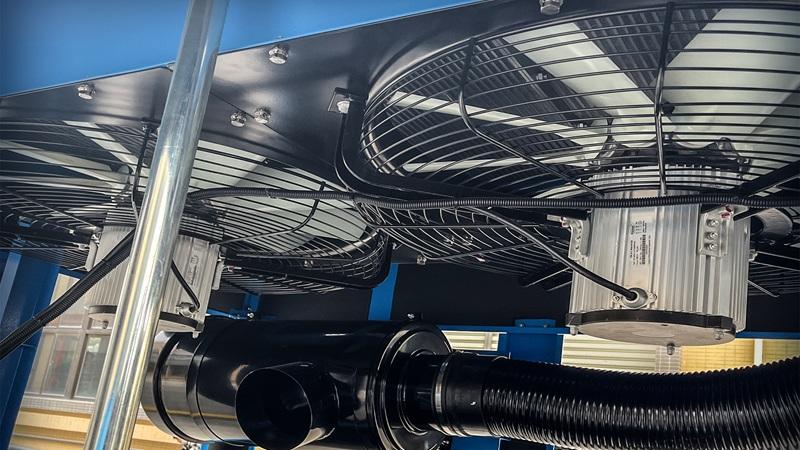
Single-stage compressors usually do not require intercoolers because there are no compressor stages between which to cool. They typically use only an aftercooler. Multi-stage systems, such as a two stage compressor, often use both intercooling and aftercooling. This improves efficiency and reduces excess heat across the system.
When an intercooler is required
An intercooler is required in multi-stage air compressors. It is located between the first stage and second stage. It removes heat before further compression begins. This improves density, reduces energy use, and improves overall efficiency.
When an aftercooler is essential
An aftercooler is essential in almost all air compressors. It is positioned after the final stage of compression. It removes heat from hot compressed air and condenses moisture. This protects equipment and ensures safe air quality for use or storage.
Systems that use both (industrial setups)
Many industrial systems use both intercoolers and aftercoolers. The intercooler manages heat between compressor stages, while the aftercooler handles final cooling after compression. Together, they improve efficiency, reduce overheating, and ensure stable system performance. This setup is common where sensitive process components require reliable, dry compressed air.
When each is used in compressed air systems
An intercooler is used in multi-stage compression systems. It is placed between stages to reduce heat and improve efficiency during compression. It is most common in two stage compressor setups and larger industrial systems.
An aftercooler is used after the final stage of compression in almost all systems. It prepares air for storage or use by reducing temperature and removing moisture. It is essential for protecting equipment, improving air quality, and preventing moisture-related damage in downstream applications.
Types of Intercoolers and Aftercoolers
Air-cooled vs water-cooled intercoolers
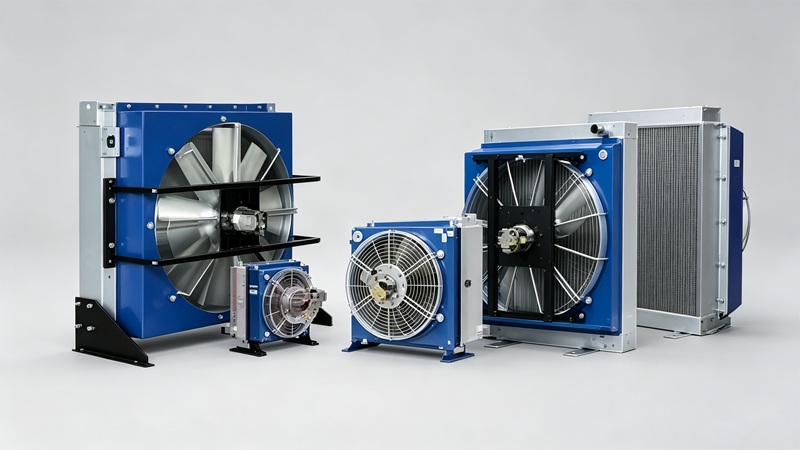
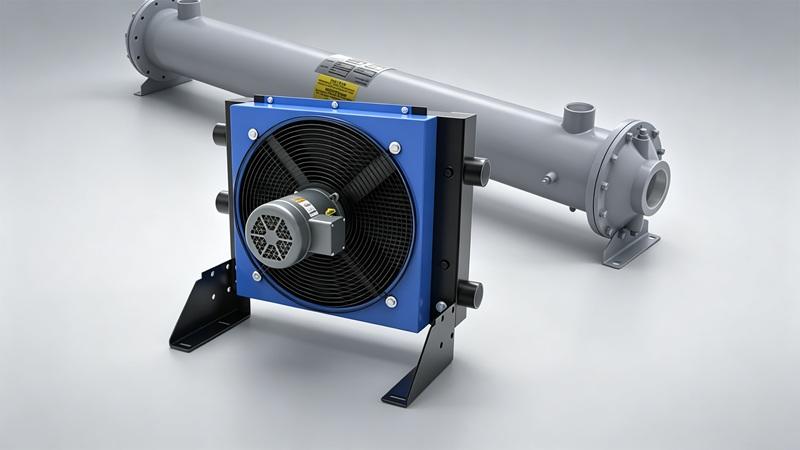
Intercoolers in an air compression system are a type of heat exchanger used in air compressors to remove heat between compressor stages. An air compressor intercooler that is air-cooled uses ambient air and fins, similar to a radiator, to remove excess heat from hot compressed air. A water-cooled system uses usually water flowing through tubes to improve cooling efficiency.
In a two stage compressor, the intercooler is positioned between the first stage and second stage to improve overall efficiency, reduce temperature, and protect sensitive process components in the compression unit.
Air-cooled vs water-cooled aftercoolers
An air compressor aftercooler is installed after the final stage of compression in the air compression system. Air-cooled aftercoolers use fans and fins to remove heat from hot air after compression, while water-cooled aftercoolers use water to achieve faster cooling.
Aftercoolers work by lowering temperature so moisture can condense and be removed. This improves air quality and protects downstream equipment in many industrial processes where compressed air is used.
Pros and cons of each type
Air-cooled intercoolers and aftercoolers are easier to install and require less system complexity, making them common in smaller setups. However, they are less effective when excessive heat is present in high-capacity air compressors.
Water-cooled systems provide higher efficiency and better temperature reduction but require plumbing, water supply, and more complex installation. The choice depends on application, compressor stages, and overall air compression system design.
Benefits of Proper Cooling in Compressed Air Systems
Improved efficiency and reduced energy consumption
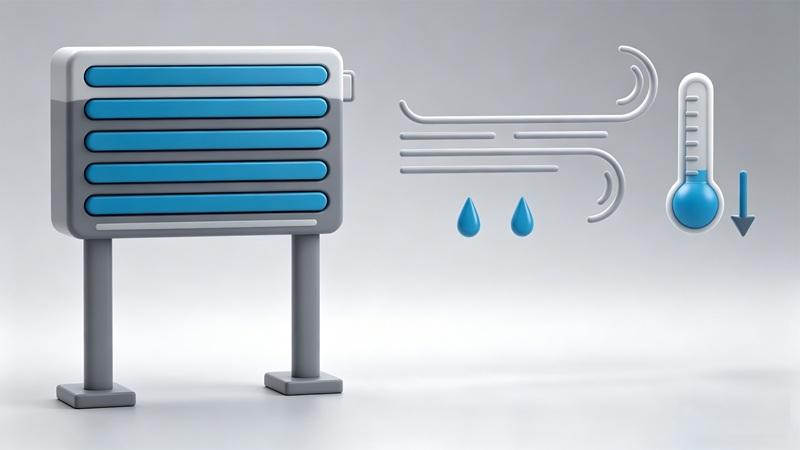
Proper cooling in an air compression system improves overall efficiency by reducing heat between compressor stages. When an intercooler removes heat between the first stage and second stage, the air becomes denser, improving compression efficiency and reducing power output demand. This lowers energy use across the compression unit and improves long-term performance of air compressors.
Reduced moisture and better air quality
Cooling hot compressed air causes moisture to condense. Both intercoolers and aftercoolers help remove moisture from the system. Aftercoolers work after the final stage to reduce temperature and allow drying systems to remove water vapor. This protects sensitive process components, improves air quality, and prevents damage caused by moisture in downstream equipment.
Extended equipment life and lower maintenance
By removing excess heat and controlling temperature, cooling systems reduce stress on the compressor and air compression system. This prevents overheating, reduces failure risk, and extends equipment life. Proper use of intercoolers and aftercoolers also reduces wear on sensitive process components and improves long-term system reliability.
Common Mistakes When Selecting Cooling Equipment
Ignoring system temperature requirements
A common mistake is not accounting for heat levels in air compressors and compressor stages. If an intercooler or aftercooler is not properly matched to system temperature, excess heat remains in the air compression system. This can cause overheating, reduced efficiency, and damage to equipment.
Choosing incorrect cooling capacity
Selecting the wrong device size for an air compressor intercooler or air compressor aftercooler can reduce system performance. If cooling capacity is too low, hot air remains in the system after compression stages. This affects efficiency, density, and overall functioning of the compression unit.
Not considering moisture removal needs
Many systems focus only on heat removal and ignore moisture. However, aftercoolers work by reducing temperature so moisture can condense and be removed. Without proper cooling after the final stage, water remains in compressed air, leading to damage in sensitive process components and downstream equipment.
How to Choose the Right Cooling Solution for Your System

Key factors: pressure, temperature, and airflow
Choosing between an intercooler vs aftercooler starts with understanding pressure, temperature, and airflow in your air compression system. As air compressors increase pressure, they also generate excess heat and hot compressed air. Higher airflow and more demanding compressor stages increase the cooling requirement.
A properly sized heat exchanger must handle this heat load to prevent overheating and failure. Managing temperature at each stage improves efficiency, supports better air density, and protects equipment. This step ensures the cooling device matches the compression unit and maintains stable performance.
Application-based selection
Different applications require different cooling setups. In many industrial processes, both an air compressor intercooler and air compressor aftercooler are used to manage heat and moisture. Industrial systems often deal with high power output, excessive heat, and sensitive process components, so stronger cooling is required.
In smaller workshop setups, a single aftercooler may be enough to cool hot air after the final stage. OEM systems, including engine or charge air cooler designs, may require compact, manufactured solutions that fit a specific location within the system. Each application affects how cooling equipment is selected and installed.
Matching cooling equipment with compressor type
The type of compressor determines the cooling setup. A two stage compressor generally uses an intercooler between the first stage and second stage to remove heat during compression. An aftercooler is then positioned after the final stage to cool the air before use or drying.
Single-stage systems usually rely only on an aftercooler. Matching the right device to the compressor improves overall efficiency, reduces moisture, and helps prevent damage. Proper setup ensures the system functions correctly, protects downstream equipment, and supports long-term reliability.
FAQ
What is the main difference between an intercooler and an aftercooler?
The main difference in intercooler vs aftercooler systems is location and function. An intercooler is positioned between compressor stages in an air compression system. It removes heat from hot compressed air during the compression process.
An aftercooler is located after the final stage. It cools hot air before it enters downstream equipment. Intercoolers improve efficiency and power output during compression. Aftercoolers work to improve air quality by removing heat and moisture before use.
Can a system work without an aftercooler?
An air compression system can run without an air compressor aftercooler, but it is rarely advised. Without cooling after the final stage, hot compressed air carries excess heat and moisture into the system. This can lead to overheating, reduced performance, and damage to equipment.
In many industrial processes, an aftercooler is essential to protect sensitive process components and ensure proper functioning. Systems without one are more likely to face failure over time.
Does an intercooler remove moisture?
An air compressor intercooler can remove some moisture, but that is not its primary function. As it reduces temperature between the first stage and second stage, some moisture may condense from the gas. However, most moisture remains in the compressed air until it reaches the aftercooler. Aftercoolers are specifically designed to handle moisture removal and support drying in the system.
Which is more important for air quality?
The aftercooler is generally more important for air quality. It is installed after the final stage, where it removes heat and allows moisture to condense before air reaches downstream equipment. This helps protect equipment and sensitive process components from damage. While the intercooler improves efficiency and reduces heat during compression, the aftercooler ensures the air is clean, cool, and suitable for many industrial processes.
Conclusion
The intercooler vs aftercooler decision comes down to subtle differences in where each device sits in the air compression system and how it manages heat. Intercoolers remove heat between compressor stages, improving efficiency, air density, and power output during air compression. Aftercoolers sit after the final stage and cool hot compressed air, removing moisture to protect equipment and improve air quality.
In systems connected to an engine or combustion chamber, cooling is especially important because excess heat builds up quickly during compression. These advantages are often explained on a website or product page, where the two types of cooling devices are referred to based on application and system design. Choosing correctly helps prevent overheating and damage to sensitive process components.
For single-stage compressors, an aftercooler is usually sufficient. For two stage or multi-stage setups, both intercooling and aftercooling are generally advised to ensure full system protection. If you need more details, you could contact to our team for guidance on setup and installation based on your specific application.