
Introduction
Compressed air is one of the most widely used energy sources in the industrial world. From powering pneumatic tools to supporting automation and manufacturing, modern industries rely heavily on reliable compressed air systems to keep operations running efficiently.
Often referred to as the “fourth utility,” compressed air is considered just as essential as electricity, water, and gas because of its widespread use and reliability across industries such as manufacturing, healthcare, pharmaceuticals, food processing, construction, and automotive production.
Today, compressed air is used in countless industrial applications because it is safe, durable, energy efficient, and capable of providing precise control of speed and torque. However, compressed air systems also represent a major source of energy consumption, making proper system design, maintenance, and air quality management critical for long-term efficiency and cost control.
What Is Compressed Air?
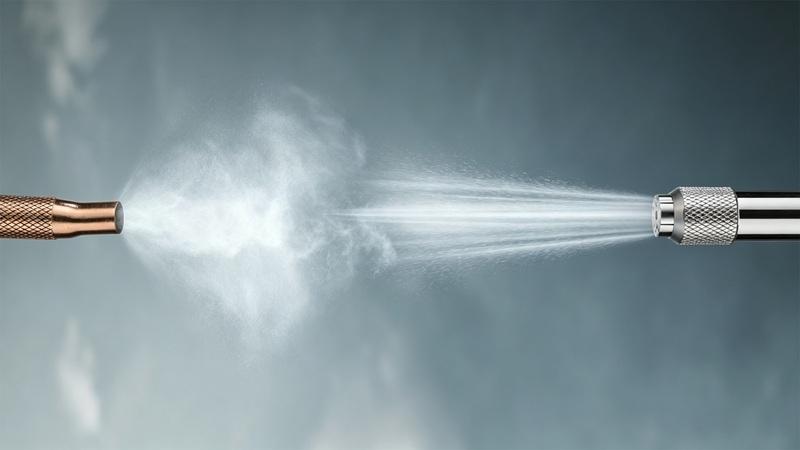
Compressed air is atmospheric air that has been pressurized by forcing it into a smaller volume. Under normal conditions, air exists at standard atmospheric pressure and contains oxygen, nitrogen, water vapor, and trace gases. When compressed, the density of the air increases, allowing it to store energy that can later be released to produce force and power machinery.
How Compressed Air Systems Work
A typical compressed air system consists of several interconnected components that work together to generate, treat, store, and distribute pressurized air.
Key components include:
- Air compressors
- Air receiver tanks
- Air dryers
- Filters
- Chillers
- Piping systems
The air compressor generates compressed air by increasing air pressure. The air receiver tank stores pressurized air to stabilize demand fluctuations and maintain consistent operations. Air dryers and filters remove moisture, oil, dust, and contaminants that could damage equipment or reduce air quality.
The piping system then distributes compressed air throughout the facility. The design of the air distribution architecture directly affects pressure stability, operational efficiency, and energy consumption.
Types of Compressed Air Systems
Compressed air systems are generally classified in two ways:
- By how they compress air
- By how the piping network distributes air throughout a facility
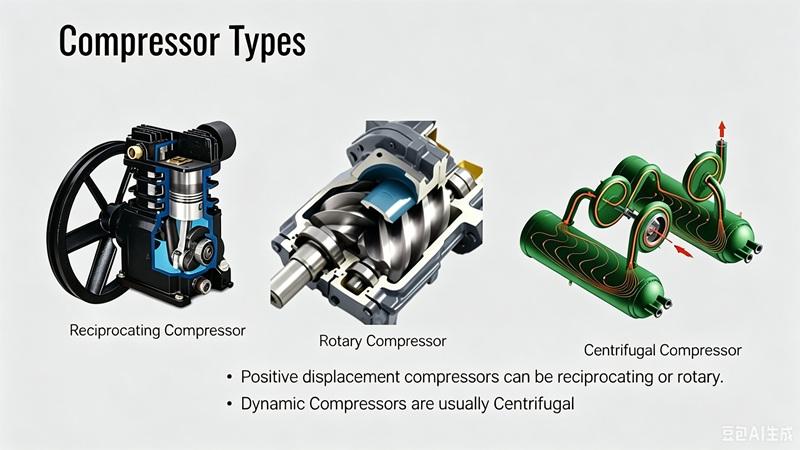
All air compressors fall into two thermodynamic categories: Positive Displacement or Dynamic compressors.
Positive Displacement Compressors
Positive displacement compressors trap a specific volume of ambient air and mechanically reduce the chamber size to increase pressure. Common examples include:
Rotary Screw Compressors:Rotary screw compressors use two interlocking helical screws rotating in opposite directions to compress air continuously. These systems are widely used in manufacturing because they provide stable airflow and high efficiency.
Reciprocating Compressors:Reciprocating compressors use a piston driven by a crankshaft inside a cylinder to compress air. They are commonly used in smaller industrial applications and intermittent-duty operations.
Scroll Compressors:Scroll compressors use one stationary spiral scroll and one orbiting scroll to compress air smoothly and quietly. They are often selected for clean-air applications.
Dynamic Compressors
Dynamic compressors convert kinetic energy into pressure using high-speed rotating components.
Centrifugal Compressors:Centrifugal compressors accelerate air using fast-spinning impellers. The air is drawn inward radially and forced outward using centrifugal force, increasing pressure through velocity conversion.
These systems are commonly used in:
- Power plants
- Large industrial operations
- High-volume production environments
Compressed Air Distribution Systems
Air distribution architecture determines how compressed air travels throughout a facility.
Centralized Systems
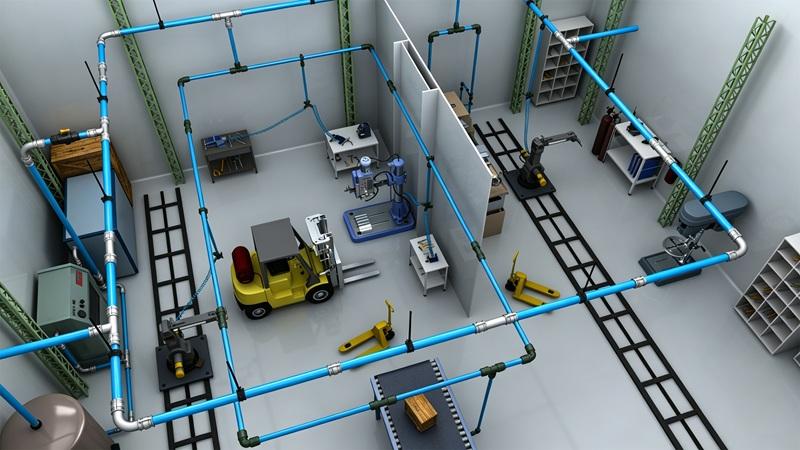
Centralized systems group one or more large compressors in a single utility room and distribute air across the facility using a main piping network.
Advantages include:
- Easier maintenance
- Better system monitoring
- Lower operating costs in large facilities
Decentralized Systems
Decentralized systems use smaller compressors installed directly at workstations for specific applications.
These systems are useful when:
- Air demand varies significantly
- Production areas are separated
- Flexibility is required
Linear Systems
Linear systems use a single straight main pipe for air distribution. While simple and cost effective, pressure losses can occur at workstations farthest from the compressor.
Closed-Loop Systems
Closed-loop systems form a continuous ring around a facility. This layout reduces turbulence, improves pressure consistency, and increases energy efficiency.
Because pressure drop is minimized, closed-loop systems are generally preferred for larger industrial facilities.
Compressed Air in Industrial Applications
Industrial sectors rely on compressed air because it is safe, durable, and provides consistent, clean power that can be finely controlled for a range of tasks. Below are some of the most significant industrial uses:
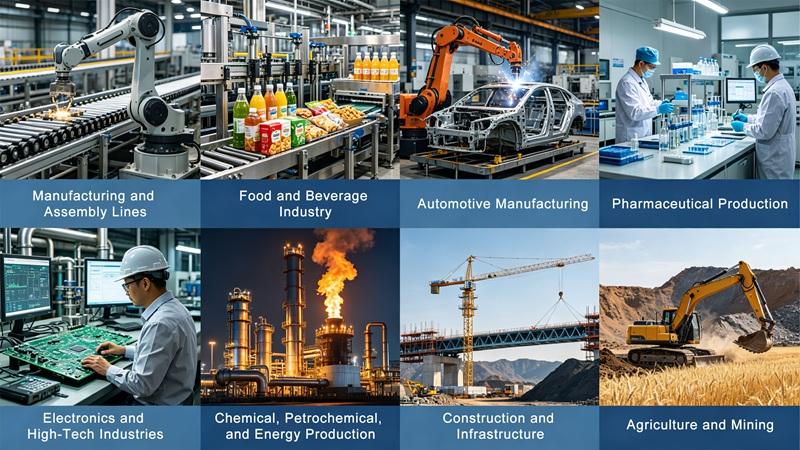
Manufacturing and Assembly Lines
In modern manufacturing, compressed air powers a wide array of processes. Pneumatic systems drive assembly line tools, actuators, clamping systems, and robotic arms. Because compressed air allows for infinitely variable speed and torque control, it is particularly suited for automation systems where precision and repeatability are critical.
From powering pneumatic drills to operating high-speed presses or automation equipment, compressed air supports high-volume production environments with reliability and flexibility. Expected pressure consistency and minimal downtime in these settings make compressed air a backbone of industrial productivity.
Food and Beverage Industry
In food and beverage manufacturing, maintaining hygiene and preventing contamination are paramount. Compressed air plays several roles in this industry, including:
- Packaging and filling lines
- Bottle tightening and capping systems
- Conveying powdered ingredients
- Cleaning and sterilization equipment
Because compressed air can be oil-free and dry, it helps ensure products meet strict safety standards while maintaining production efficiency and quality.
Automotive Manufacturing
Automotive factories depend heavily on compressed air for assembly and finishing processes. Pneumatic tools powered by compressed air are used for:
- Fastening and tightening nuts and bolts
- Robotic movement control
- Paint spray systems
- Tire inflation and testing stations
This combination of high force, precision control, and reliability ensures that automotive production meets high standards of quality and throughput.
Pharmaceutical Production
In the pharmaceutical industry, compressed air is used to operate tablet presses, capsule fillers, and packaging systems. It also supports cleanroom environments where oil-free, contaminant-free air is critical for product safety and compliance with hygiene regulations.
Unlike general industrial uses, pharmaceutical compressed air must meet strict purity standards to avoid contamination that could compromise product integrity.
Electronics and High-Tech Industries
Electronics manufacturing requires ultra-clean, dry compressed air because sensitive components like semiconductors and circuit boards are easily damaged by moisture or contaminants. Compressed air in these environments is used for:
- Laser etching and cutting
- Dust removal and cleaning of electronic parts
- Pneumatic component handling
These applications depend on precise control and air quality to ensure high reliability and product yield.
Chemical, Petrochemical, and Energy Production
Compressed air is vital in chemical and petrochemical plants for controlling valves, powering instrumentation, and driving pneumatic actuators in complex processes. In power generation, compressed air supports:
- Turbine cleaning
- Valve actuation
- Instrumentation air for safety systems
Its ability to provide clean, stable power makes it suited for environments where safety and precision control are essential.
Construction and Infrastructure
Construction relies on compressed air because it provides high force without complex electrical systems. Pneumatic tools are standard for:
- Jackhammers and rock drills
- Compactors and breakers
- Surface cleaning tools
- Paint sprayers and pneumatic lifts
Because compressed air tools are generally more robust and safer in rugged environments than electric alternatives, they are preferred on construction sites of all sizes.
Agriculture and Mining
Modern agricultural facilities use compressed air for automated feeding systems, irrigation control, and spraying fertilizers. In mining operations, compressed air powers drills, loaders, and ventilation systems, supporting extraction processes even in remote or harsh conditions.
Some Uses Compressed Air in Daily Life
Compressed air is not limited to factories and industrial plants. In daily life, many systems and services people use every day also depend on compressed air, often without realizing it.
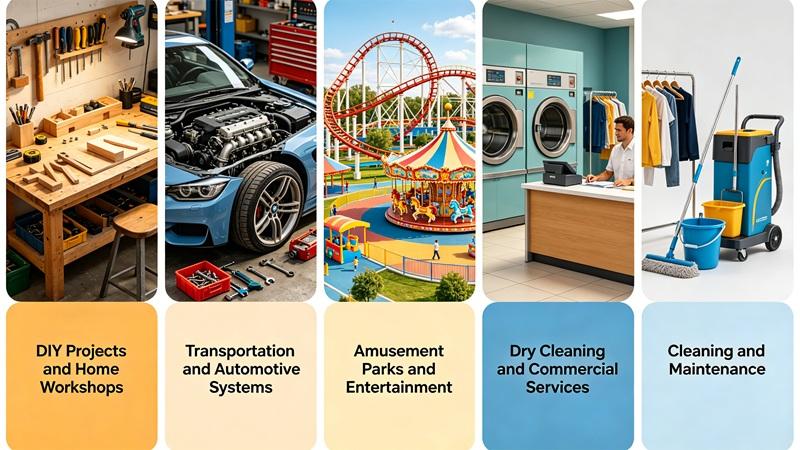
DIY Projects and Home Workshops
For DIY users and home workshops, compressed air powers many common tools used in:
- Woodworking
- Carpentry
- Metalworking
- Home repair projects
- Landscaping and garden work
Portable air compressors are popular because they provide strong, consistent power for pneumatic tools while remaining compact and easy to use.
Transportation and Automotive Systems
Compressed air is heavily used in buses, trucks, and other commercial vehicles. While many people associate air compressors with tire inflation, their role is much larger.
Compressed air supports:
- Air brake systems
- Vehicle suspension systems
- Airbag deployment systems
- Pneumatic controls inside vehicles
In automotive manufacturing and repair shops, compressed air powers spray painting equipment, sanding tools, impact wrenches, and lifting systems. It helps technicians clean surfaces, repair dents, and improve production efficiency.
Amusement Parks and Entertainment
Compressed air plays an important role in amusement parks and entertainment facilities. Roller coasters and large rides use pressurized air for:
- Safety restraint systems
- Ride brakes and gates
- Launch mechanisms on high-speed rides
- Moving animatronics and special effects
Compressed air is also used for maintenance equipment, pressure washers, and cleaning tools throughout the park. Because pneumatic systems respond quickly and reliably, they are widely used in safety-critical applications.
Dry Cleaning and Commercial Services
Compressed air is also widely used in commercial cleaning services. In dry cleaning facilities, it helps operate:
- Steam cleaning equipment
- Pressing machines
- Fabric cleaning systems
- Air nozzles for dust and lint removal
The controlled force of compressed air helps remove dirt and improve cleaning efficiency without damaging delicate materials.
Cleaning and Maintenance
Compressed air is commonly used for cleaning electronic equipment, machinery surfaces, filters, and hard-to-reach areas. Because compressed air can quickly remove dust and debris, it is widely used in workshops, garages, maintenance departments, and service facilities.
These everyday applications show how compressed air has become part of modern life far beyond traditional industrial environments.
Why Compressed Air Is Widely Used
Compressed air remains popular because it offers several operational advantages.
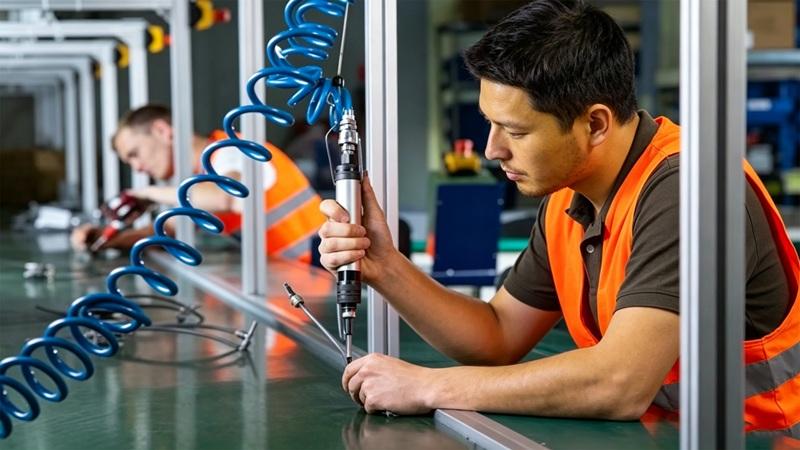
Safety:Compressed air systems are generally safer than electric-powered systems in wet or hazardous environments because they reduce spark risks.
Durability:Pneumatic equipment is highly durable and performs reliably in demanding industrial conditions.
Precise Control:Compressed air allows precise control of speed and force, making it suitable for automation and delicate production processes.
Reliability:Compressed air systems continue operating effectively in high-temperature, dusty, or heavy-duty industrial environments.
Moisture Management and Air Quality
Moisture management is critical in compressed air systems because compressed air naturally contains water vapor.

As compressed air cools, moisture condenses and can lead to:
- Corrosion
- Equipment damage
- Reduced air quality
- Production contamination
To prevent these problems, systems use:
- Air dryers
- Filters
- Moisture separators
Oil-lubricated systems use oil to cool and seal the compression chamber, while oil-free systems are necessary for industries such as food processing and pharmaceuticals.
Maintaining clean compressed air is especially important when protecting sensitive electronic components or maintaining hygiene standards.
Energy Efficiency, Maintenance, and Long-Term Reliability
Compressed air systems are essential in modern industry, but they also represent a significant source of energy consumption. In many facilities, compressed air production accounts for a large portion of industrial electricity usage, and producing 1 kW of compressed air power may require up to 8 kW of electrical energy. Because of this, system efficiency directly affects operating costs and long-term profitability.
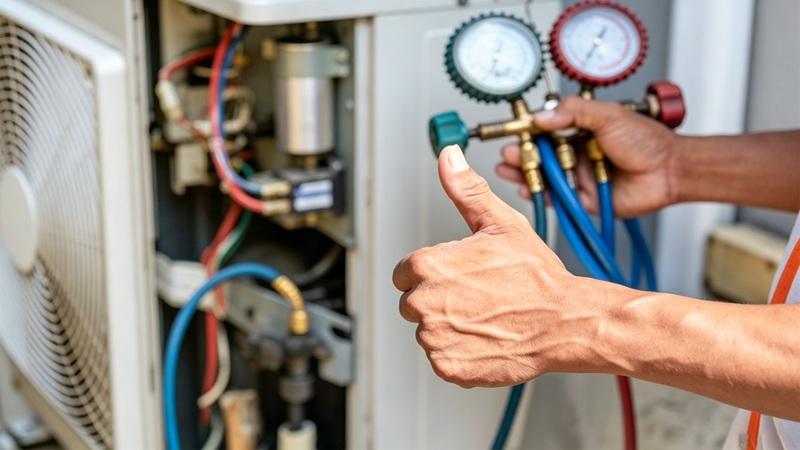
Several factors influence compressed air system performance, including piping layout, pressure losses, air leaks, compressor sizing, and moisture management. Even small leaks or poor piping design can increase energy demand and reduce system reliability over time.
Regular maintenance is equally important for maintaining stable performance and extending equipment life. A well-maintained compressed air system can operate efficiently for 10–15 years or longer, while neglected systems often experience higher repair costs, downtime, and reduced productivity. Routine maintenance should include checking for leaks, replacing filters, monitoring pressure and temperature, inspecting compressors, and draining moisture from tanks to prevent corrosion and contamination.
Conclusion
Compressed air has become far more than an industrial utility. From manufacturing plants and automotive assembly lines to amusement parks, transportation systems, workshops, and everyday maintenance tasks, compressed air applications have expanded into nearly every part of modern life.
Its ability to provide reliable power, precise control, safety, and operational flexibility makes compressed air essential across industries and daily applications alike. As businesses continue to improve automation, production efficiency, and equipment reliability, the demand for efficient compressed air systems will only continue to grow.
Whether you are designing a new compressed air system, upgrading existing equipment, or looking for energy-efficient air compressor solutions, choosing the right system setup is critical for long-term performance and cost savings.
Explore professional compressed air solutions, air compressors, and system components designed for modern industrial applications, anddiscover how the right compressed air system can improve your productivity, efficiency, and operational reliability.