
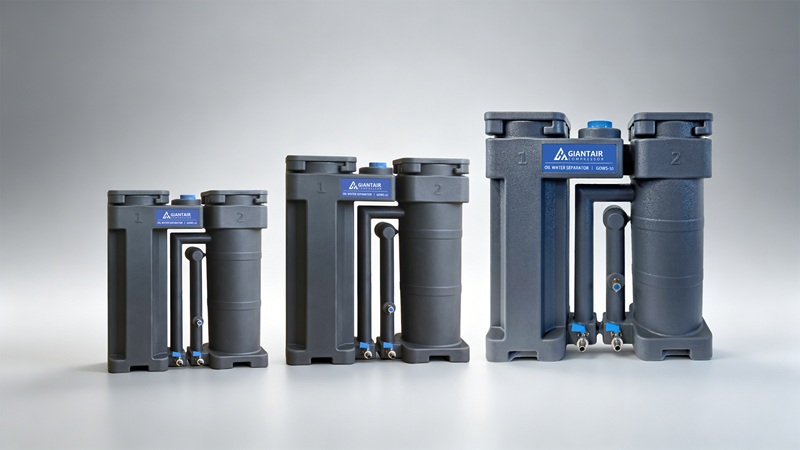
If you operate an oil‑lubricated air compressor, you have probably seen the oily condensate that collects in drains and tanks. That mixture of water, oil, and other contaminants cannot simply be poured down the floor drain. Doing so violates environmental laws, harms the environment, and can lead to costly fines.
This guide explains everything you need to know about oil water separators for compressed air systems: how they work, why you need one, how to choose the right unit, and how to maintain it for reliable compliance.
What Is an Oil Water Separator?
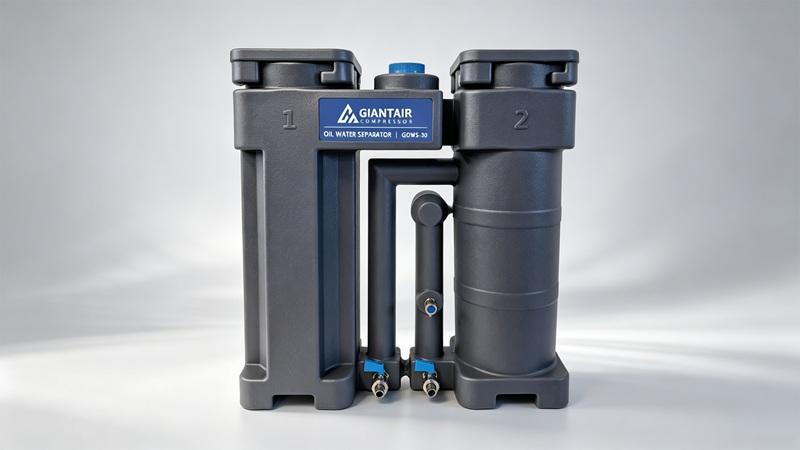
An oil water separator is a device designed to separate oil and suspended solids from wastewater, allowing the clean water to be discharged safely and the collected oil to be disposed of properly. In compressed air systems, it treats condensate – the mixture of water, compressor oil, and moisture that forms when humid air is compressed and cooled.
These separators are essential for any facility that uses oil‑lubricated rotary screw or reciprocating air compressors. They capture free floating oil, emulsified oil, and even small oil droplets, ensuring that the effluent meets local discharge limits.
Notice:Do not confuse an oil water separator with the internal oil separator inside a compressor. That internal component returns oil to the compressor sump. An oil water separator treats condensate after it leaves the compressor drain.
Why You Need an Oil Water Separator?
Environmental Compliance
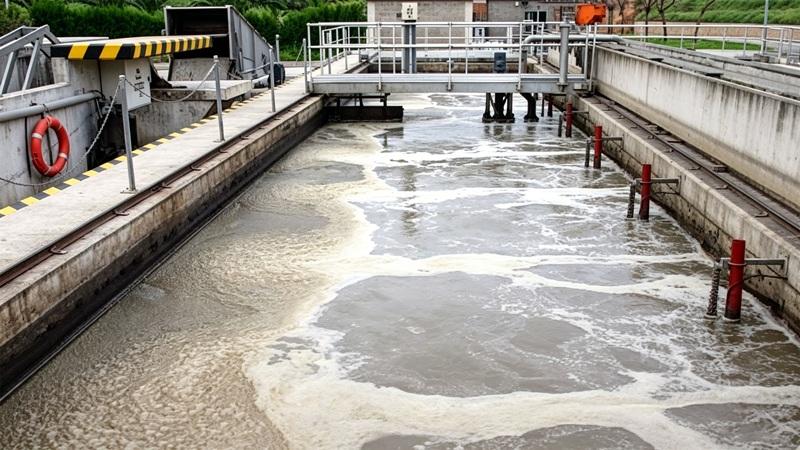
Environmental laws require the use of oil water separators to prevent the discharge of toxic petroleum products into waterways. In the United States, the Clean Water Act of 1972 authorizes the EPA to fine businesses that illegally dump oily water – including compressor condensate. Federal fines start at 2,500perday∗∗andcanreach∗∗25,000 per day.
The EPA sets a limit of 40 parts per million (ppm) for oil in water for safe onsite disposal. Many state and municipal governments have stricter requirements, often setting limits as low as 15 ppm – and some local sewer authorities require 10 ppm or less.
Violations can result in costly penalties. Many countries are enacting increasingly stringent environmental regulations that prohibit the dumping of water containing oil. Using an oil water separator helps commercial and industrial facilities meet these discharge limits and ensures compliance.
Protecting Infrastructure
Oil‑water separators help prevent oil buildup from clogging municipal sewer systems, safeguarding infrastructure. Grease and oil solidify in pipes, reducing flow capacity and causing backups. Removing oil before it enters the sewer protects public works and avoids expensive cleaning bills.
Protecting Ecosystems and Wildlife
Preventing toxic hydrocarbons from polluting waterways and soil protects ecosystems and prevents oil spills and oil slicks that can harm aquatic life. Even a small amount of oil can coat bird feathers, damage fish gills, and poison animals that drink contaminated water. Proper oil removal is not just about fines – it is about responsible operation.
Reducing Operating Costs
Removing oil from wastewater reduces the load on municipal treatment plants and can allow for the recycling of recovered oil and treated water, lowering overall disposal costs. You also avoid expensive repairs caused by oil fouling downstream equipment such as pipes, valves, air dryers, and pneumatic tools.
Where Does Oily Condensate Come From?
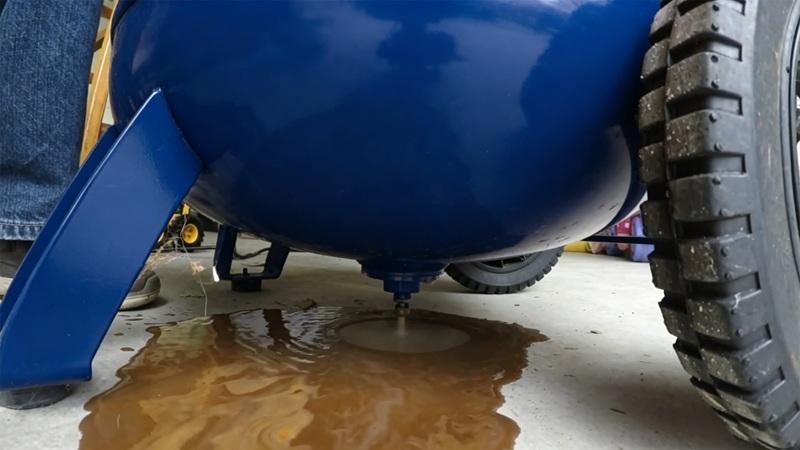
Compressed air systems produce condensate because atmospheric air always contains water vapor. When air is compressed, its ability to hold moisture decreases. As the compressed air cools in aftercoolers, air receiver tanks, dryers, and piping, water condenses – just like on a cold soda can.
If your compressor is oil‑lubricated, that condensate also contains compressor oil. Even with a good internal oil separator, tiny oil droplets (aerosols) carry over into the condensate. Other contaminants such as dust, rust, and pipe scale mix in as well.
Key fact: Oil‑free compressors still produce condensate, but it is generally oil‑free. In most cases, that condensate can be discharged without an oil water separator – but always check local regulations.
How an Oil Water Separator Works in Compressed Air Systems?
Oil water separators work by utilizing the gravitational difference between oil and water. Oil is lighter than water, so oil floats to the surface. Heavier solids – sludge and particles – settle to the bottom. This basic principle is then enhanced with engineered components.
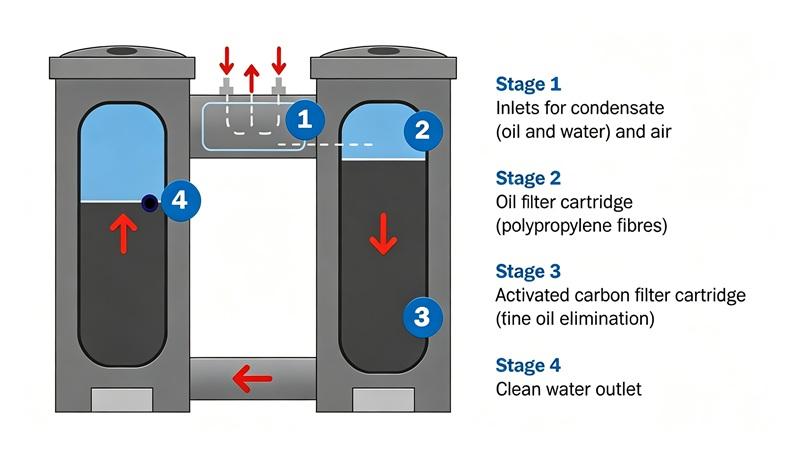
Most modern separators for compressed air systems use a multi‑stage process:
Stage 1 – Gravity Separation and Flow Control
Inlet turbulence is reduced by baffles or a flow diffuser. The condensate enters a chamber where the flow slows down. Larger oil droplets and free oil quickly rise to the surface and are skimmed or collected. Suspended solids begin to settle.
Stage 2 – Coalescing Media (Plate Packs)
Many oil‑water separation systems utilize features such as internal baffles, media packs, and skimming processes to enhance separation. Gravity plate separators utilize a series of plates to allow oil droplets to coalesce (combine) and rise to the top of the chamber. The plates increase the surface area and shorten the distance an oil droplet must travel to reach the surface. This makes oil water separation faster and more efficient.
These separators work effectively for both free floating oil and larger oil droplets. They are a common choice for industrial applications and for ships handling bilge water.
Stage 3 – Polishing with Activated Carbon or Absorption Media
For very low discharge limits (down to 5‑10 ppm), the water passes through a final stage of activated carbon or oleophilic media. This filtration step removes emulsified oil – tiny oil droplets that do not easily float on their own.
These separators can eliminate approximately 99.5% of oil found in compressed air water vapor, making them essential for environmental protection and regulatory compliance.
Alternative Technologies (Brief Overview)
- API oil–water separator: Designed to separate large amounts of oil and suspended solids from wastewater effluents in industrial settings such as oil refineries and petrochemical plants. The American Petroleum Institute (API) standardises this design. It is larger and suited for high flow rates, not typically for compressor condensate alone.
- Centrifugal oil–water separators use centrifugation to separate oil and water, where denser water accumulates at the periphery and less dense oil collects at the center of a rotating container. These are common in marine and high‑volume applications.
- Hydrocyclone oily water separators create a strong vortex to separate oil from water, effectively removing both large oil droplets and smaller emulsified oil droplets in various industrial applications.
- Dissolved Air Flotation (DAF) systems use tiny oxygen bubbles to lift oil and grease to the surface; these are typically used as a secondary treatment step in municipal wastewater treatment plants.
For most compressor rooms, a multi‑stage coalescing plate plus activated carbon separator is the most practical and cost‑effective choice.
Types of Oil Water Separators for Compressed Air
| Type | How It Works | Best For | Limitations |
|---|---|---|---|
| Gravity plate separator | Gravity allows oil to rise; plates increase separation efficiency | Free oil, low flow rates | Poor with emulsified oil |
| Coalescing media separator | Media attracts and merges oil droplets | Most cases with mixed free and emulsified oil | Media requires periodic replacement |
| Activated carbon separator | Adsorbs remaining oil | Polishing to very low ppm (5‑10 ppm) | Carbon saturates; needs regular service |
| Emulsion separation system | Uses chemicals or special media to break stable emulsions | High oil content, stubborn emulsions | Higher cost |
In most cases, a coalescing + carbon system provides complete oil removal for compressor condensate.
How to Choose the Right Oil Water Separator?
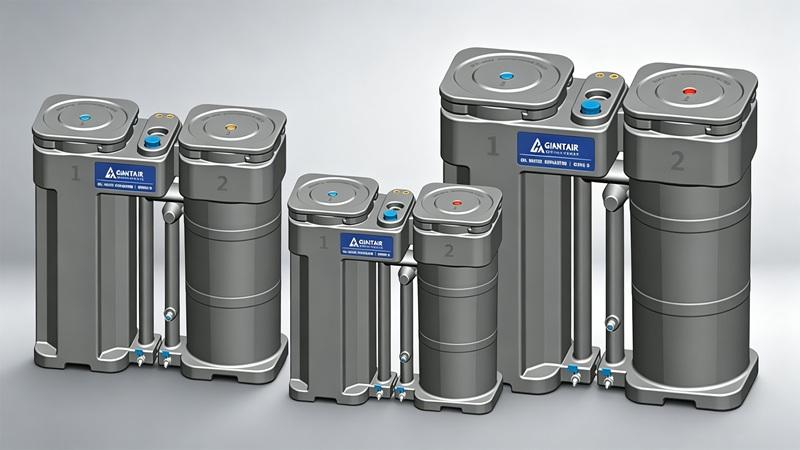
Step 1: Identify Your Compressor Type and Oil
- Oil‑lubricated compressors require an oil water separator.
- Oil‑free compressors generally do not, but verify with local sewer authority – if oil is present from ambient contamination, you may still need one.
- Know your oil type (mineral, synthetic, food‑grade). Some media are not compatible with synthetics.
Step 2: Estimate Condensate Volume
Condensate production depends on compressor size (CFM), operating hours, humidity, and temperature. A rough rule: a 100 CFM compressor in humid conditions can produce 5‑10 gallons of condensate per day. Include condensate from dryers, filters, and receiver tanks.
Step 3: Assess Oil Concentration and Form
- Free oil and free floating oil are easy to separate.
- Emulsified oil (tiny oil droplets suspended in water) requires coalescing or carbon media.
- Oil droplet size matters – smaller droplets are harder to remove. Emulsified oil has very small droplet size.
Step 4: Match Separator Capacity
Use manufacturer sizing charts (rated by compressor CFM range or by gallons per minute of condensate flow). Undersizing causes oil carryover into the effluent. Oversizing wastes money.
Step 5: Consider Special Conditions
- Cold climates: Choose a heated or insulated unit to prevent freezing.
- Tight spaces: Wall‑mounted compact designs.
- Multiple compressors: Combine condensate lines into one correctly sized separator.
Industry Applications
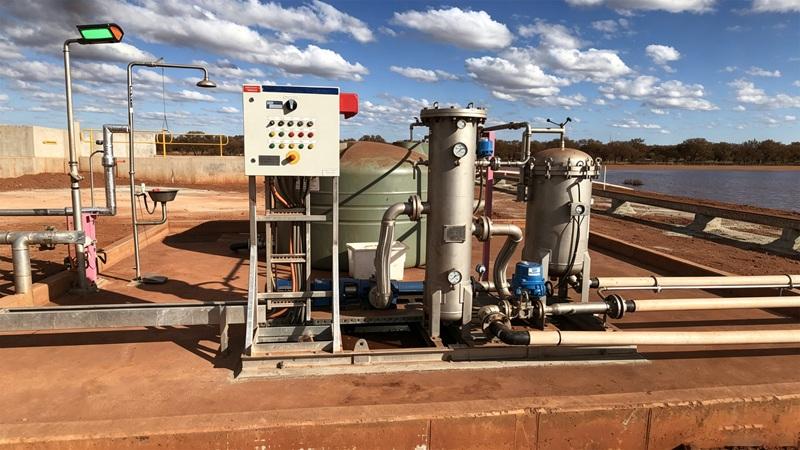
Oil water separators are used across different industries:
- Manufacturing plants: CNC machines, pneumatic systems, assembly lines.
- Automotive repair shops: Paint booths, impact wrenches, lifts.
- Food and beverage: Food‑grade oils require compatible media; hygiene standards.
- Pharmaceutical: Clean compressed air and strict environmental standards.
- Ships and marine: Bilge water treatment – MARPOL regulations require oily water separators on vessels.
- Heavy industrial: Large rotary screw compressors running 24/7.
Installation Best Practices
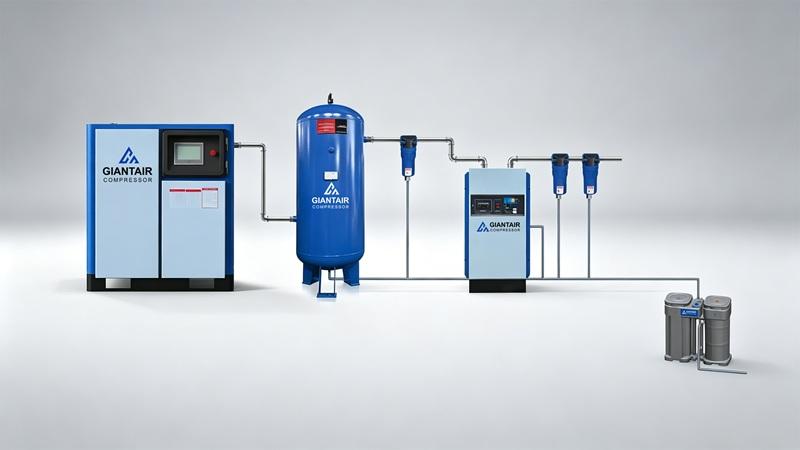
- Position the separator after condensate drains (electronic or zero‑loss drains) and before the floor drain or wastewater connection.
- Ensure proper venting – do not seal the unit.
- Avoid backpressure on the drain line.
- Install on a level, accessible surface for maintenance.
- Label inlet and outlet clearly.
Proper maintenance of an oil‑water separator is essential to maximize its efficacy and ensure compliance with environmental guidelines.
Maintenance and Service Guidance
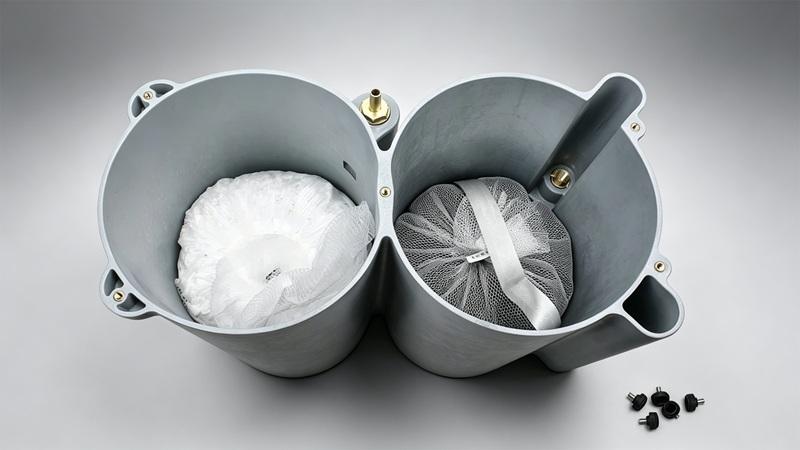
Daily / Weekly Visual Checks
- Inspect the oil layer thickness inside the separator.
- Check for oil sheen in discharge water – a simple test: pour a sample into a glass jar and view under good light.
Filter and Media Replacement Schedule
- Coalescing cartridges: every 6–12 months (or when oil breakthrough is detected).
- Activated carbon: every 3–6 months depending on condensate load.
- Keep a maintenance log – service records prove compliance during inspections.
Signs Your Separator Needs Service
- Oil visible in outlet water.
- Slow drainage or overflow.
- Unusual odors or excessive sludge buildup.
- Oil layer does not float properly (may indicate emulsion problems).
Disposal of Collected Oil
The separated oil and saturated media must be disposed of as hazardous waste (unless food‑grade oil and local rules allow otherwise). Never pour collected oil down a drain. Contract with a licensed waste hauler.
Common Mistakes to Avoid
| Mistake | Consequence |
|---|---|
| No separator at all | EPA fines (2,500‑2,500‑25,000 per day), legal action |
| Undersized unit | Oil in effluent, non‑compliance |
| Ignoring emulsified oil | Poor separation, frequent media saturation |
| Not replacing media on time | Separator stops working |
| Using wrong media for synthetic oil | Ineffective oil removal |
| Draining separated oil down the drain | Illegal – hazardous waste violation |
| Forgetting to dispose of sludge | Accumulation reduces performance |
FAQ
Do oil‑free compressors need an oil water separator?
Generally no. But if ambient air contains oil vapor (e.g., near diesel engines or industrial fumes), some oil may appear in condensate. Test your condensate. If oil is present, you need a separator.
What is the EPA discharge limit for oil in water?
The EPA sets 40 ppm for onsite disposal, but many local authorities require 15 ppm or even 10 ppm. Always comply with the strictest applicable limit.
How often should I replace activated carbon?
Typically every 3‑6 months, but some units have saturation indicators. Heavier oil loads shorten life.
Can one oil water separator handle multiple compressors?
Yes – combine condensate lines before the separator, but ensure the total volume does not exceed the unit’s capacity.
What is the oil droplet size that separators can remove?
Gravity separators remove droplets >60 microns. Coalescing media can remove droplets as small as 5‑10 microns. Emulsified oil droplets can be <1 micron – only advanced media or carbon can remove them.
What happens to the recovered oil?
It is collected in the separator and must be skimmed or drained regularly. Store in approved containers and dispose through a licensed hazardous waste hauler.
Conclusion
Oil water separators are not optional for oil‑lubricated compressed air systems – they are required by law and essential for protecting the environment, animals, and your facility from costly penalties. They separate oil, suspended solids, and grease from oily water, allowing clean water to be discharged safely and separated oil to be properly disposed of.
When selecting a separator, expect to complete a careful assessment of your compressor size, condensate volume, and oil type. Contact a reputable supplier for contact and sizing assistance. With regular maintenance and proper operation, your separator will service your system reliably for years.
Need Help Choosing the Right Oil Water Separator?
Every compressed air system is different. If you need assistance sizing a separator, understanding local discharge limits, or selecting the right media for your oil type, contact our team for professional recommendations and compliance guidance.