Choosing the right air compressor starts with understanding your air demand. An undersized compressor can struggle to deliver air consistently. An oversized compressor may increase operational costs and waste energy.
Airflow, pressure, tank size, duty cycle, and air compressor capacity all affect compressor sizing. These factors determine how well the system supports air tools and specific applications. Whether for home projects or industrial use, correct sizing improves performance and energy efficiency.
This article explains air compressor sizing. It also reviews key specifications. It shows how to determine the right air compressor for your needs.
Key Factors in Air Compressor Sizing
Several factors affect air compressor sizing and system performance. Understanding air compressor capacity helps ensure the system can meet air demand. It also helps maintain pressure and deliver air efficiently for different applications.
CFM (Cubic Feet per Minute)
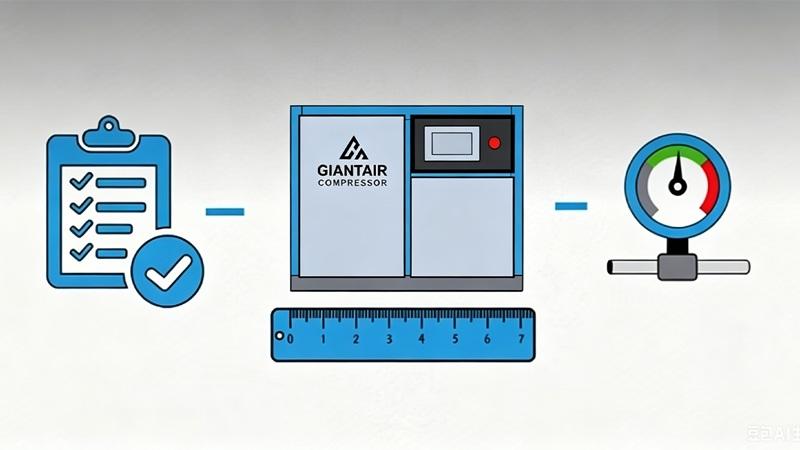
CFM, or cubic feet per minute, measures the volume of air a compressor can deliver. Air compressor capacity is typically measured in cubic feet per minute. This is because airflow determines how much compressed air is available.
For most users, CFM is the most important sizing factor. An undersized compressor may hold pressure but not supply enough airflow. This can reduce tool performance and cause interruptions. A properly sized compressor provides steady airflow and supports higher air demand.
CFM requirements vary by application. Nail guns use low airflow. Impact wrenches, spray guns, and grinders require more. When sizing a system, total the CFM of all tools. Add a safety buffer for future expansion and future growth.
PSI (Pounds per Square Inch)
PSI, or pounds per square inch, measures air pressure within a compressed air system. While CFM reflects airflow, PSI indicates the pressure level available to power tools and equipment.
Every tool has required PSI specifications for proper operation. The required pressure is often much more important than a compressor’s advertised maximum PSI. A compressor capable of producing 175 PSI provides little benefit if your equipment only requires 90 PSI.
When choosing the right air compressor, match the required psi and psi requirements of your equipment. Air tools, spray painting equipment, and other specific tasks rely on both adequate pressure and sufficient airflow. Meeting both requirements helps maintain consistent power and efficient operation.
Tank Size
Tank size determines how much compressed air can be stored for future use. The storage tank acts as a reserve. It supplies air during short bursts of demand. This reduces how often the compressor starts and stops.
A small storage tank is often enough for inflating tires and running nail guns. It also works well for other intermittent use tasks. These applications do not require continuous airflow. They only need short bursts of compressed air.
Larger tanks provide greater storage capacity and total volume. They are better for workshops with higher air demand. They also support multiple tools running throughout the day.
Tank size affects performance, but it does not increase airflow delivered. A larger tank can help reduce pressure drops. It also helps maintain a more stable air supply. However, compressor capacity still determines total air output.
Duty Cycle
Duty cycle describes how long a compressor can run compared to how long it must rest. It is usually expressed as a percentage. A 50% duty cycle means the compressor runs half the time and rests half the time.
This becomes important in continuous use environments. Industrial operations and production systems often need higher duty cycles. These systems must support steady airflow without frequent shutdowns.
Ignoring duty cycle can cause frequent cycling and overheating. It can also lead to premature wear. Proper compressor sizing helps prevent these issues and supports reliable long-term operation.
Horsepower (HP)
Horsepower measures the power used to compress air. Higher horsepower can support greater airflow and higher capacity requirements.
However, horsepower alone does not define performance. Two compressors with the same HP can deliver very different cfm outputs. This depends on design and compressor type.
The most accurate way to size a compressor is to consider airflow, required pressure, duty cycle, and overall air compressor capacity. This approach improves efficiency and helps control operational costs.
Air Compressor Sizing Calculator Basics
An air compressor sizing calculator helps determine how much airflow and pressure your system requires. By calculating air demand accurately, you can avoid purchasing an undersized compressor or an oversized compressor that increases operational costs.
How to Calculate Required CFM
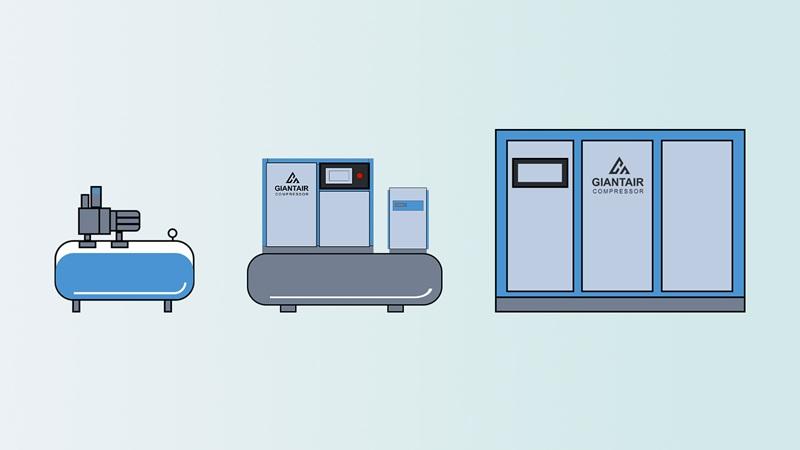
The first step is creating a list of all air tools and equipment that will use compressed air. This may include an impact wrench, spray gun, nail guns, grinders, air ratchets, and other common tools.
Next, check the CFM requirements for each tool. Manufacturers typically provide the tool’s CFM requirement in product specifications. This information helps determine how much airflow is needed during operation.
After gathering the data, calculate simultaneous air demand. If multiple tools will operate at the same time, add their cubic feet per minute requirements together. This provides a more realistic estimate of airflow demands.
Finally, add a safety buffer to account for future expansion, future growth, air leaks, and changing operational needs. Many facilities add an additional 10% to 30% capacity when sizing compressed air systems.
Simple Air Compressor Sizing Formula
A simple way to size an air compressor is to total the CFM requirements of all tools expected to run simultaneously and then add a safety margin.
Required Compressor CFM = Total Tool CFM + Safety Buffer
For example, if several tools require a combined 20 CFM and a 20% safety buffer is added, the recommended compressor capacity would be approximately 24 CFM.
Estimating Compressor Capacity for Workshops and Industrial Systems
Small workshops often have lower airflow demands and fewer tools operating at once. In these environments, a portable compressor or piston compressor may provide sufficient capacity.
Industrial operations typically require much higher airflow and longer run times. Rotary screw compressors are commonly used because they can deliver air continuously while maintaining efficiency and reliability.
When estimating air compressor capacity, consider both current requirements and future expansion plans. Selecting a system with additional capacity can help avoid expensive upgrades later.
Why Sizing Calculators Are Helpful
Sizing calculators simplify the process of determining compressor requirements. They help users account for airflow, pressure, duty cycle, and simultaneous air demand.
Proper sizing also helps reduce pressure drops throughout compressed air systems. When airflow delivered matches actual demand, equipment operates more efficiently and tool performance remains consistent.
Accurate sizing improves energy efficiency as well. A properly sized compressor consumes less energy than a system that constantly struggles to keep up with demand or cycles unnecessarily.
Air Compressor CFM Chart
Common Air Tool Air Requirements
The following chart provides general CFM requirements for common tools. Actual requirements may vary by manufacturer and model.
| Tool | CFM | PSI |
|---|---|---|
| Airbrush | 0.5–1.5 | 20–30 |
| Nail Gun | 1–2 | 70–90 |
| Dental Equipment | 2–4 | 80–100 |
| Tire Inflator | 2–3 | 100-150 |
| Impact Wrench | 3–5 | 90-100 |
| Air Ratchet | 3–5 | 90-100 |
| Hammer Drill | 3–6 | 90-120 |
| Paint Sprayer | 6–7 | 30-50 |
| Grinder | 5–8 | 90-120 |
Recommended Compressor Sizes by Application
Different applications require different levels of airflow, pressure, and storage capacity.
| Application | CFM | PSI |
|---|---|---|
| Home Garage Use | 1-2 | 70-90 |
| Automotive Repair Shops | 10–15 | 90–120 |
| Woodworking Shops | 4–8 | 90-120 |
| Manufacturing Facilities | 20+ | 120–150 |
| Spray Gun Applications | 6–12 | 30–50 |
| Spray Painting | 8–12 | 30–40 |
| Sandblasting | 6-25 | 70-90 |
| Various Power Tools | 3-10 | 90-120 |
| HVAC Systems | 6–12 | 80-100 |
| Refrigeration | 3–5 | 60-80 |
| Food and Beverage Packaging | 5–10 | 80–100 |
These recommendations provide a starting point when selecting the right air compressor. Always verify required PSI, airflow requirements, and duty cycle specifications before making a final purchasing decision.
What Size Air Compressor Do I Need for Home Use?
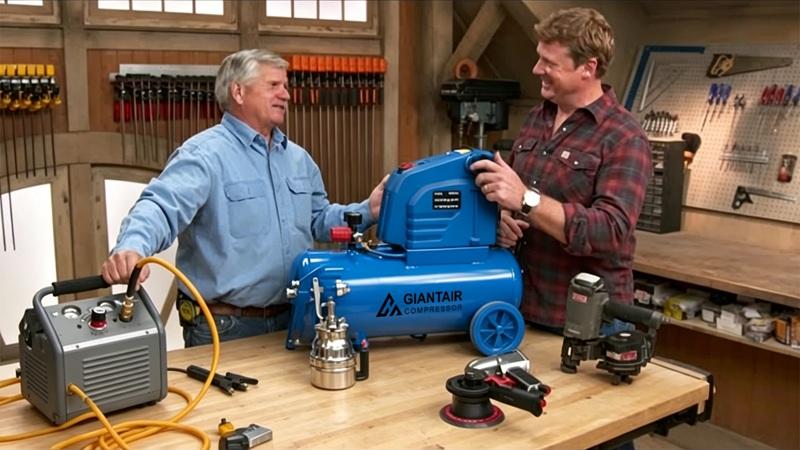
Air Compressors for DIY Projects
Tire inflation is a low air demand task that requires short bursts of compressed air. Most small air compressors can handle this easily without high air compressor capacity. It is one of the most common uses of compressed air in home settings and requires minimal cfm requirements.
Cleaning and blow-off tasks rely on steady airflow rather than high pressure. Compressed air is used to clear dust, debris, and moisture from tools and surfaces. These tasks typically require intermittent use and do not demand continuous airflow.
Small pneumatic tools include nail guns, staplers, and other air tools used for home projects. These tools have moderate cfm requirements and operate in short bursts. They do not require continuous compressed air but do depend on consistent airflow delivered.
Best Compressor Sizes for Home Garages
Portable compressors are designed for mobility and general home air use. They are commonly used for inflating tires, powering small air tools, and handling light air demand tasks. They are efficient for intermittent use and small workshops with limited floor space.
Pancake compressors are compact units with small storage tanks and simple designs. They are widely used in home garages due to their portability and ease of use. They provide enough airflow for common tools and short-duration tasks.
Twin-tank compressors offer increased storage capacity and improved airflow stability. This helps reduce frequent cycling during repeated tool use. They are better suited for users with higher air demand or multiple air tools.
Quiet and Compact Compressors for Home Workshops
Oil-free compressors require less maintenance and are ideal for light home use. They are often preferred for inflating tires and occasional air tool use. Oil-lubricated compressors offer longer lifespan and better performance under continuous operation.
Space and noise levels are important factors in home workshop environments. Compact compressors help reduce floor space usage while maintaining efficient airflow. Lower noise levels improve comfort during longer or frequent use sessions.
Industrial Air Compressor Sizing
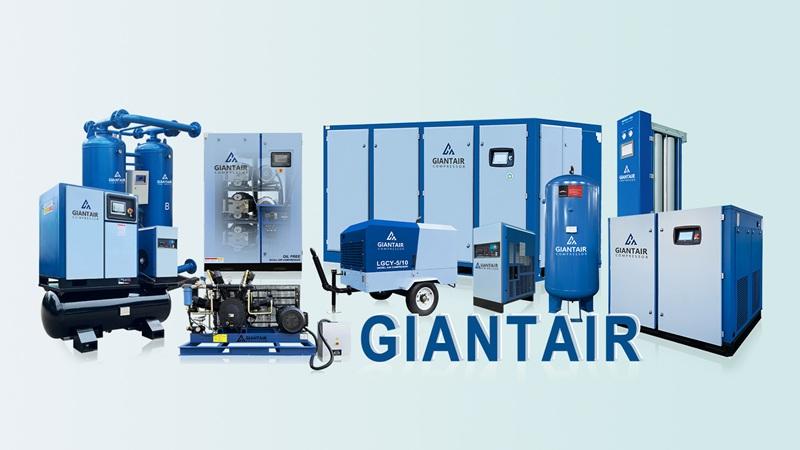
Sizing Compressors for Manufacturing and Production
Continuous air demand is a defining factor in manufacturing and production environments. These systems often rely on compressed air systems that must operate for long hours without interruption. Air compressor capacity and cfm requirements must be high enough to support steady airflow delivered across all equipment.
Multiple tool operation significantly increases total air demand. When several air tools or machines run at the same time, airflow demands rise quickly. Proper compressor sizing ensures the system can handle combined cubic feet per minute needs without pressure drops or performance loss.
Automation systems depend on consistent air pressure and stable airflow. Even small fluctuations in air pressure can affect tool performance and reduce efficiency. For this reason, industrial operations often require carefully matched rotary screw compressors or equivalent systems.
Centralized vs Decentralized Compressed Air Systems
Centralized compressed air systems use one main compressor or a connected bank of compressors. These systems are common in large industrial operations where steady airflow and high capacity are required. They can improve energy efficiency and simplify long-term maintenance.
Decentralized compressed air systems use multiple smaller compressors placed near points of use. This reduces long-distance pressure drops and can improve responsiveness for specific tasks or production zones. However, system complexity may increase depending on facility layout and air demand distribution.
Each approach has advantages depending on application needs. Centralized systems are often preferred for large-scale manufacturing, while decentralized setups can offer flexibility in changing production environments. Proper compressor sizing is essential for both configurations.
Planning for Future Expansion
Future expansion is a key consideration in industrial air compressor sizing. Facilities often grow over time, adding new equipment and increasing overall air demand. Planning for this early helps avoid undersized systems and costly upgrades later.
An oversized compressor can sometimes be beneficial in industrial environments. Additional capacity provides room for future growth and helps manage peak air demand without overloading the system. It also supports more stable airflow during variable production loads.
Proper planning helps ensure long-term efficiency, reduces operational costs, and maintains reliable compressed air delivery as industrial operations expand.
Common Air Compressor Sizing Mistakes
Choosing based only on tank size is one of the most common air compressor sizing mistakes. Tank size affects storage capacity, but it does not determine airflow or true air compressor capacity. A system with a large storage tank can still be undersized for continuous air demand.
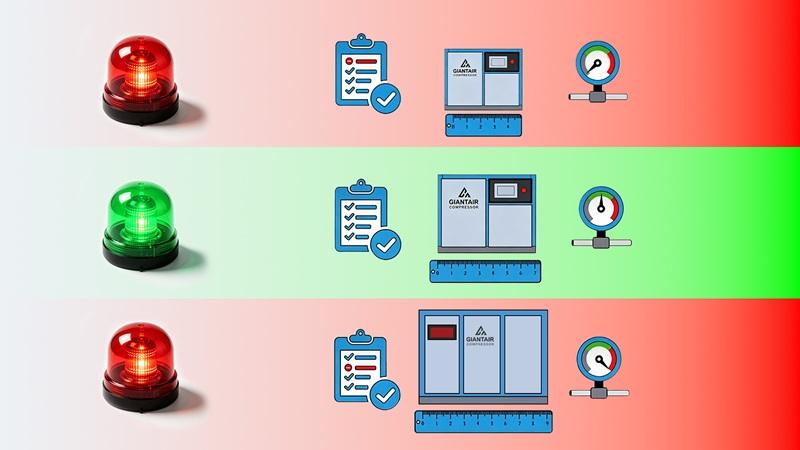
Ignoring simultaneous tool usage often leads to undersized compressor selection. When multiple air tools operate at the same time, total cfm requirements increase significantly. Failing to calculate combined airflow demands can reduce tool performance and create pressure drops.
Underestimating air leaks and pressure loss can also impact compressed air systems. Even small leaks reduce efficiency over time and increase energy costs. Pressure drops in piping systems can further reduce airflow delivered to tools and equipment.
Buying more PSI instead of more CFM is another frequent error. Air pressure is important, but cubic feet per minute determines whether the system can actually deliver enough air. High pressure without sufficient airflow will not improve tool performance.
Not considering future air demand can lead to undersized compressor systems. As operations grow, additional tools and equipment increase total airflow demands. Planning for future expansion helps ensure long-term efficiency and reduces the need for early system replacement.
Energy Efficiency and Compressor Performance
Proper air compressor sizing directly reduces energy costs. When a compressor matches air demand correctly, it avoids excessive cycling and wasted energy. This improves overall system efficiency and extends equipment life.

Variable speed compressors can significantly improve energy efficiency in compressed air systems. These systems adjust output based on real-time airflow demands, reducing unnecessary energy use. They are especially useful in environments with fluctuating air demand.
Reducing pressure drops in piping systems also improves performance. Poor piping design or long distribution lines can reduce airflow delivered to tools. Optimized systems maintain stable pressure and improve overall tool performance.
Air storage and moisture management play an important role in system efficiency. Proper storage capacity helps handle short bursts of air demand, while moisture control protects tools and equipment. Together, these factors improve reliability and long-term performance.
FAQ
How much CFM Do I Need for Air Tools?
CFM requirements depend on the specific air tools being used. Small tools like nail guns require low airflow, while grinders and spray guns require higher cubic feet per minute. Always check tool specifications before sizing a compressor.
How Much CFM Does a Home Garage Need?
Most home garages require a moderate level of airflow depending on usage. Light DIY use may need low CFM, while frequent air tool use or spray painting requires higher capacity. Total air demand should always guide compressor selection.
Is a Bigger Air Compressor Better?
A larger compressor is not always better for every application. Oversized compressors can increase operational costs and energy usage. The right air compressor balances airflow, pressure, and duty cycle for efficient performance.
What Happens if a Compressor Is Too Small?
An undersized compressor struggles to meet air demand and maintain pressure. This can lead to poor tool performance, frequent cycling, and pressure drops. It may also shorten equipment lifespan due to constant strain.
Can One Compressor Run Multiple Tools?
One compressor can run multiple tools if it has enough CFM capacity. The total airflow demand of all tools must be added together. Proper sizing ensures steady airflow delivered during simultaneous use.
How Do I Read an Air Compressor CFM Chart?
An air compressor CFM chart lists airflow requirements for common tools. It helps match compressor capacity to specific applications. Always compare tool requirements with compressor output to ensure proper sizing.
Conclusion
Correct air compressor sizing is about matching airflow, pressure, and duty cycle to real air demand. Focusing on cfm requirements, tool usage, and system capacity helps avoid undersized compressor issues and improves overall performance.
Proper sizing improves energy efficiency, reduces pressure drops, and ensures consistent tool performance across all applications. It also helps prevent wasted energy from oversized systems and strain from insufficient capacity.
Before buying, always consider total air tools usage, future expansion, and whether you need intermittent use or continuous airflow. Getting the sizing right leads to better reliability and lower operational costs.
Need help choosing the right air compressor?
Contact our team for professional air compressor sizing and system recommendations.